
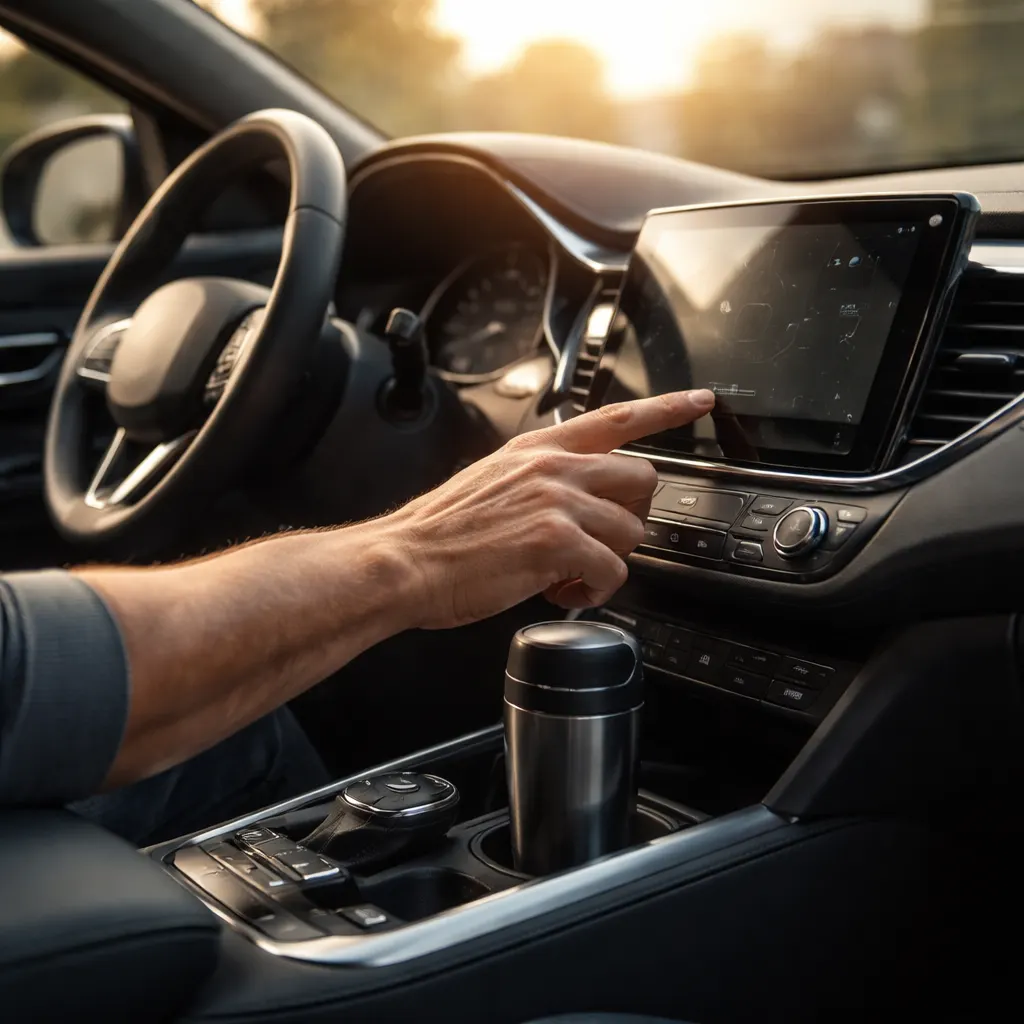
The automotive technologies that deliver the highest satisfaction among car owners are the ones drivers barely think about, according to a new survey from JD Power. Smart ignition systems, which automatically start and stop vehicles based on driver actions, logged just 2.4 problems per 100 vehicles and ranked as the top-performing feature. The consumer research firm surveyed 68,084 owners of new 2026 model-year vehicles after 90 days of ownership, examining 40 automotive technologies across comfort and convenience, connected vehicles, driver assist, electric vehicles, and smart vehicles. The clear pattern: inconspicuous features that solve problems without demanding driver attention win out over flashy tech that adds complexity.
The survey revealed sharp divides in how owners respond to different levels of automation and display technology. Passenger screens—extra displays embedded in the dashboard for front-seat passengers—scored the lowest in satisfaction, with more than one-third of owners reporting they've never even attempted to use the feature. Only 6 percent said they use their passenger screens every time they drive. Meanwhile, smart HVAC systems that use AI to automatically adjust cabin climate for comfort and efficiency joined smart ignition at the top of satisfaction ratings. Hands-free driving systems, classified as Level 2 Plus automation and including Tesla's Full Self-Driving, Ford's BlueCruise, GM's Super Cruise, and Mercedes' Drive Pilot, lagged behind traditional Level 2 systems that require hands on the wheel, despite recording slightly fewer problems per 100 vehicles—13.8 compared to 14.3 for Level 2 systems.
"For automakers, the opportunity is to prioritize technology that makes driving simpler, not more complicated," Doron Hikry, director of customer success at JD Power, said in a press release. The survey results indicate that owners may currently feel more comfortable with systems that clearly assist the driver rather than those that introduce a greater degree of automation, according to Hikry. Individual category awards went to the Cadillac Escalade and Toyota Tundra for camera mirrors, while other manufacturers won recognition for blind-spot cameras, digital keys, one-pedal driving, and EV charging schedulers—all features that streamline specific tasks without adding mental load.
What the findings suggest is that car buyers don't object to more technology as long as it doesn't make driving more complicated, the report concludes. Features that demand attention or require conscious activation struggle to gain traction, while those that work quietly in the background earn higher marks. The gap between passenger screen adoption and smart ignition satisfaction illustrates the divide: one asks drivers and passengers to change their behavior, the other removes a step from the routine. Automakers chasing differentiation through premium dashboard displays and advanced automation may be missing what owners actually value—tech that disappears into the driving experience rather than dominating it. The winners in customer experience aren't building more complicated cars; they're eliminating friction from tasks drivers already perform. This creates a strategic tension for manufacturers who've invested heavily in visible innovation but may need to refocus engineering resources toward features that actively reduce driver workload rather than showcase technical capability.