
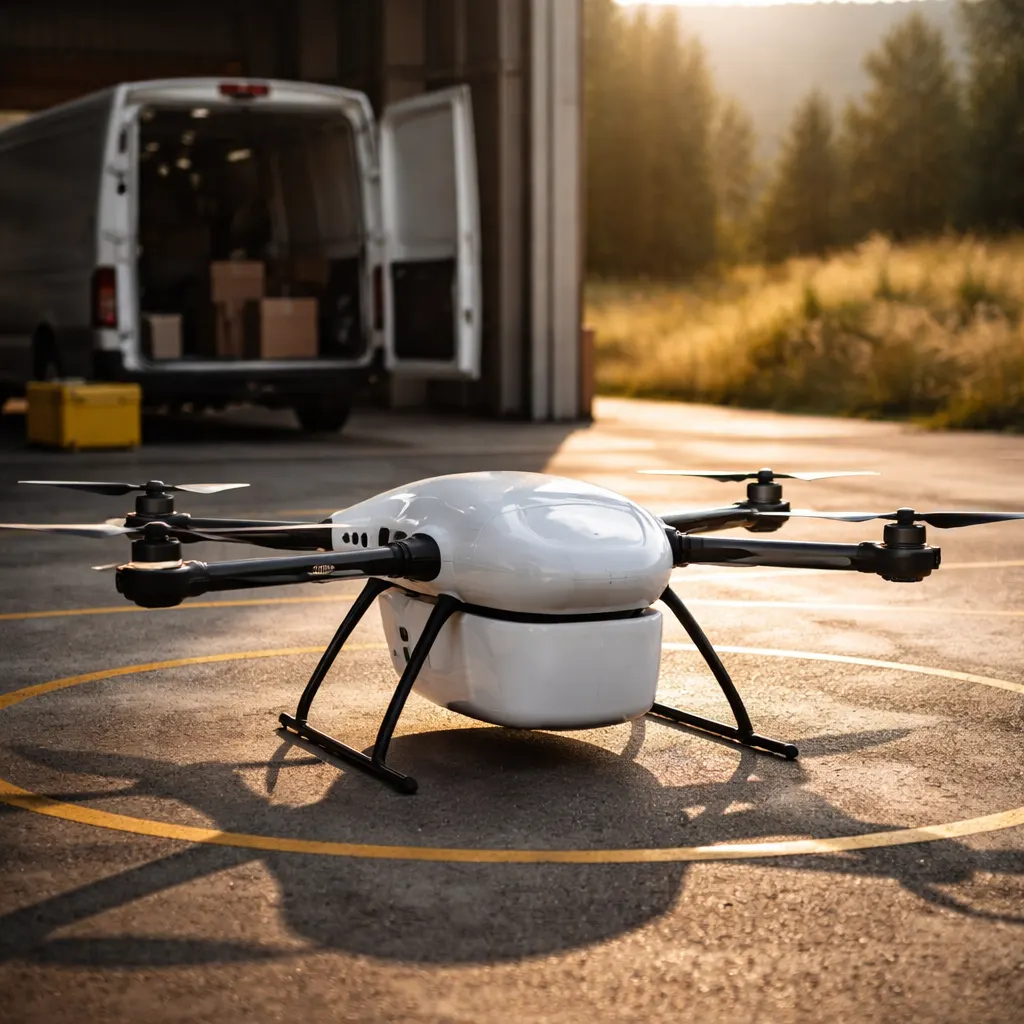
DoorDash reversed the typical approach to drone delivery by solving ground logistics first and designing the aircraft last, the company revealed at its Dash Forward 2026 event on Wednesday. The delivery platform spent years developing infrastructure like loading mechanisms, restaurant handoff procedures, and packaging before creating its six-propeller drone. The systems-first strategy reflects DoorDash's approach to building DoorDash Air, its new drone delivery service that's now preparing for initial pilot flights in Northern California.
Before designing any aircraft, the company built software called the Autonomous Delivery Platform to coordinate deliveries across human couriers, sidewalk robots, and drones. The platform incorporates intelligent routing that weighs variables like weather conditions, aircraft range limits, and street congestion to identify which orders are suitable for aerial transport. DoorDash Labs, the research division behind the company's sidewalk delivery robot Dot, created both the drone service and its underlying coordination software. The entire DoorDash Air operation was scaled according to 13 years of historical order information, including typical package weights and delivery distances across more than 500,000 restaurants on the company's marketplace.
"We didn't start with a drone and ask what would fit," Harrison Shih, who leads DoorDash Air, said in a statement. "We started with what people order and how local businesses actually operate, then built the entire system from there." The company announced its intention to launch drone delivery in July after securing Part 135 air carrier certification from the Federal Aviation Administration, which permits commercial drone delivery operations in the United States. DoorDash isn't a hardware manufacturer, but the platform's decade-plus of customer and merchant data provided the foundation for its aerial delivery system.
The company's ground-first approach addresses a core challenge in drone delivery: aerial vehicles only solve part of the problem if the handoff, packaging, and routing infrastructure can't support them. By engineering the entire logistics chain before finalizing aircraft specifications, DoorDash built a service designed around actual restaurant operations and customer order patterns rather than adapting existing operations to fit drone capabilities. The six-propeller aircraft features slow-spinning rotors and a winch system for retrieving, transporting, and lowering packages. Early pilot deliveries will partner with Chipotle, Popeyes Louisiana Kitchen, and Momo N Curry in Northern California, testing whether the integrated system can handle real-world commercial demands. This launch represents DoorDash's bet that logistics infrastructure matters more than aircraft innovation in scaling drone delivery—and that its data advantage from millions of completed orders provides a blueprint competitors lack. The question now is whether solving the ground game first translates into faster adoption once the drones actually fly.