
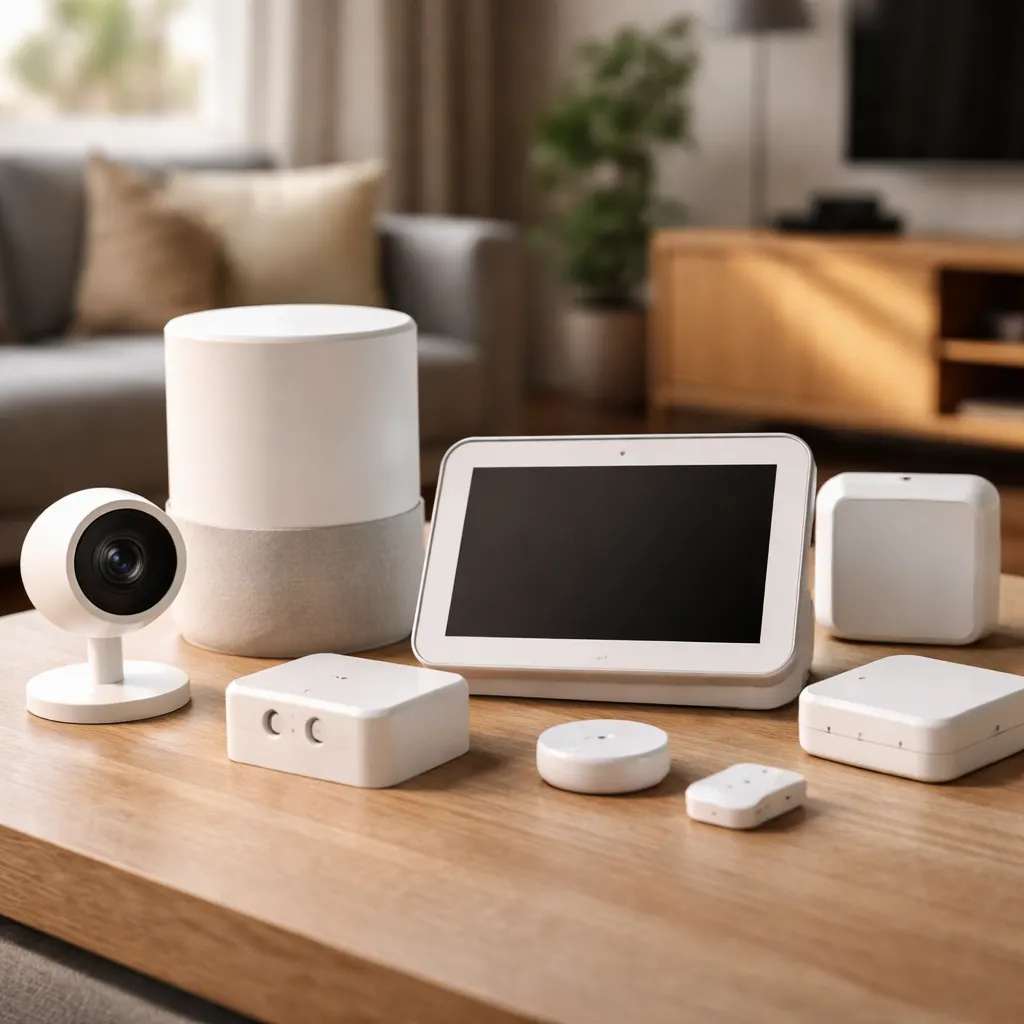
Meta has launched an open-source initiative allowing developers to build custom hardware devices that connect to its Muse AI agent, according to a TechCrunch report published Friday. The project, called Muse Gadgets, provides open-source firmware and a Linux software development kit that enable tinkerers to create their own physical interfaces for the personal AI assistant that already handles travel bookings, form completion, and shopping for users. The company is positioning the effort as a way to expand Muse beyond a standalone chatbot into a broader ecosystem of connected devices.
Meta is supplying developers with the low-level software needed to run custom devices and has offered several starter concepts, including adding a color e-ink screen to Muse or loading the agent onto a stick that plugs into a TV's HDMI port, the report states. The platform supports affordable hobbyist computers such as Raspberry Pi units and off-the-shelf ESP32 boards, with few apparent restrictions on what users can connect. Meta notes that developers can link Muse "to your displays, buttons, sensors, actuators, and whatever else you've got lying on your workbench." The company has established a Discord channel to provide technical support for users building their own gadgets.
Nat Friedman, head of product at Meta's Superintelligence Labs, revealed on X that Meta has already created its own device using the technology: Muse Home Link, a USB-C-powered gadget that allows Muse to connect to home networks and communicate with smart devices including speakers and televisions. Meta manufactured 5,000 units of the Home Link device and is distributing them without charge to Muse subscribers on a first-come basis, according to Friedman. His post about the Home Link received close to 30,000 views within just a few hours, suggesting the free devices were likely claimed quickly. Friedman indicated the Home Link would be ready for shipment in several weeks.
The Muse Gadgets project fits into Meta's comprehensive push to transform Muse from a simple conversational interface into a multi-faceted platform, the report explains. The company isn't limiting its focus to everyday consumers—it's simultaneously pursuing small businesses and enterprise clients. Meta introduced Muse for Small Business earlier this week, a free tier with usage caps that integrates the AI agent with platforms like Shopify, Dropbox, and Slack. The company has also created a new division, Meta Enterprise Platform, dedicated to marketing its AI products to corporate and business customers. While the hardware tinkering opportunity may appeal to a niche audience, it represents another avenue for embedding Muse into different contexts and use cases. The open-source approach could accelerate hardware innovation by letting developers experiment without waiting for Meta to build every possible device configuration, potentially creating a community-driven ecosystem around the AI agent that expands its reach beyond software alone.