
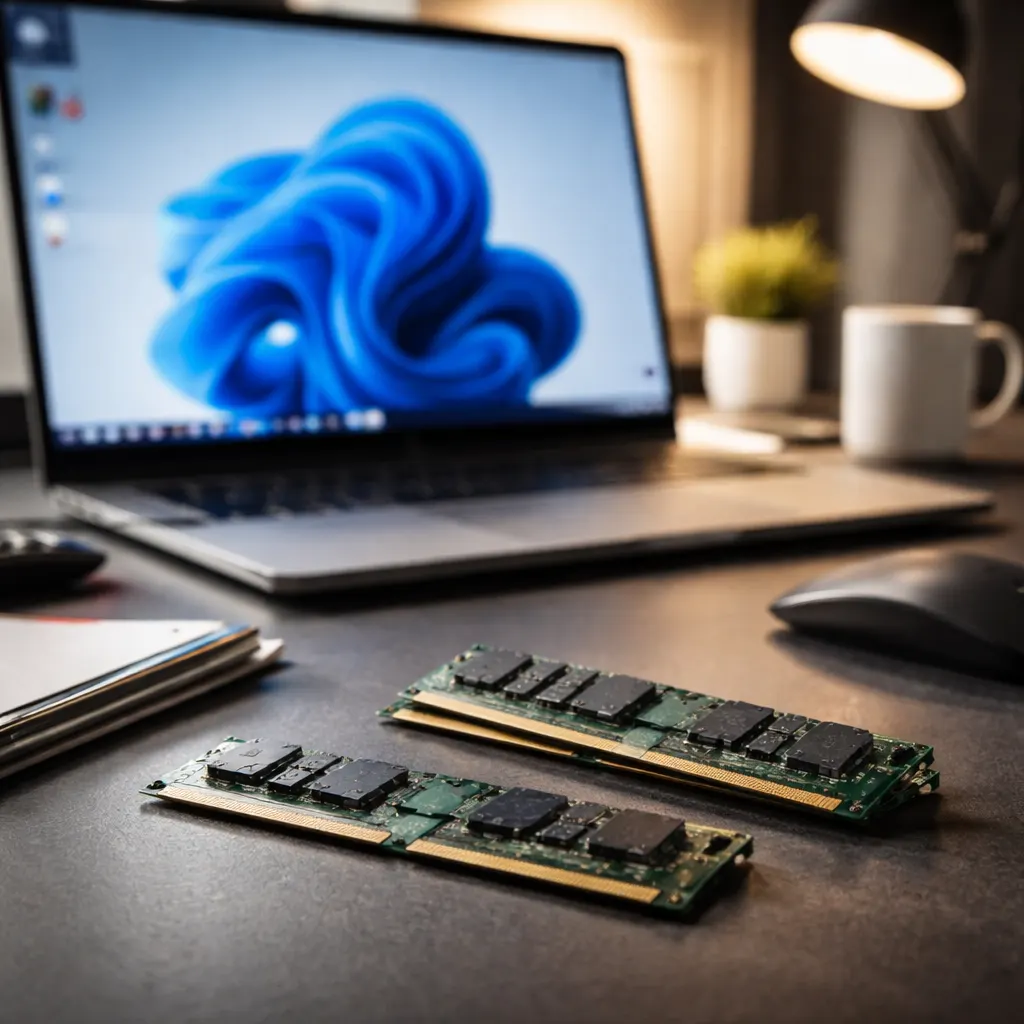
Microsoft has added memory optimization for systems with 8 GB of RAM and above to its Windows 11 improvement roadmap, a tacit acknowledgment that premium Copilot+ PCs requiring 16 GB of costly DDR5 or LPDDR5 memory aren't drawing buyers. The update, announced last Friday by Pavan Davuluri, Microsoft's executive VP for Windows and Devices, comes as the company works to address user frustrations over Windows 11's declining stability and ballooning resource demands. The move arrives against a backdrop of severe industry headwinds: analyst firm IDC forecasts an 11.3 percent decline in PC shipments for 2026, with a 20 percent plunge expected in the fourth quarter alone.
The PC market downturn stems from a persistent memory shortage that IDC says won't see meaningful relief before the end of 2027. The shortage has driven prices upward and left PC manufacturers unable to maintain complete product lineups. Microsoft's official system requirements state that Windows 11 needs at least 4 GB of memory for basic operation, but Copilot+ PCs capable of handling AI workloads demand 16 GB of premium DDR5 or LPDDR5 memory. The gap between these specifications and market reality has prompted Microsoft to focus its optimization efforts on the middle ground of 8 GB systems.
Davuluri described the new priority as "reducing Windows memory footprint to deliver a fast and responsive Windows experience across the PCs customers use every day." He noted that Microsoft has been rolling out several memory efficiency improvements, including deploying a more efficient memory allocator to cut overhead across applications and components, continued refinement of WinUI 3 to reduce memory consumption in apps built on the framework, and efficiency gains across Chromium and Webview2 components embedded in the operating system. The company also added three other priorities to its improvement list: delivering a faster out-of-box experience, providing quicker setup with easier family parental controls, and making voice interaction more natural and fluid across applications.
The memory optimization push suggests Microsoft recognizes that buyers aren't willing to pay premium prices for AI-capable PCs, particularly when memory costs remain elevated. The company launched its Windows 11 improvement initiative in March 2026 after users complained that the operating system had become increasingly unstable and resource-hungry. While Davuluri's update highlighted progress on removing some AI features, improving driver quality, and simplifying the Windows Insider program, he acknowledged that memory efficiency improvements have yet to reach production versions of Windows. The company didn't provide a timeline for when users can expect these changes, but Davuluri wrote that Microsoft has heard the frustrations and will continue acting on them.