
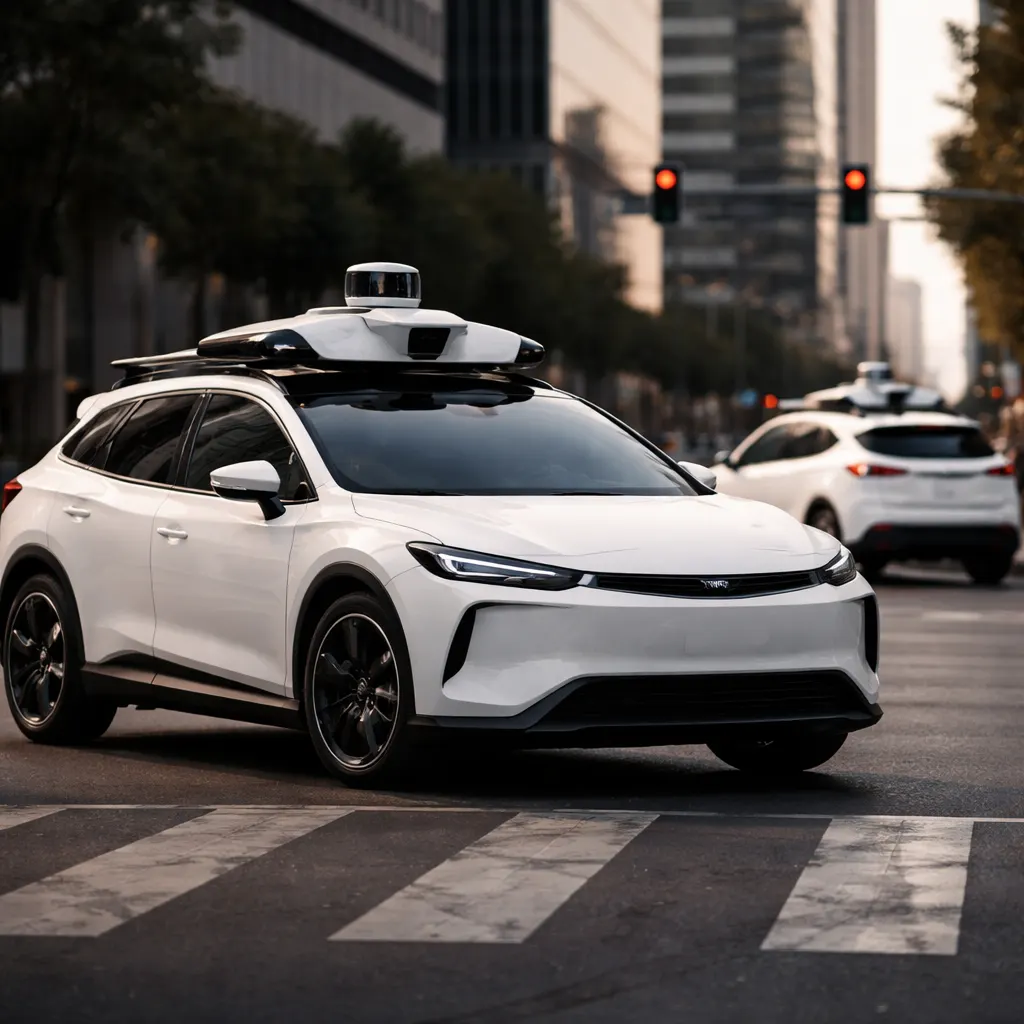
Waymo now operates more than 3,500 vehicles publicly across 11 US cities, according to a report published by The Verge, but the expansion has triggered fierce battles over regulation in states and cities nationwide. New York withdrew a proposal this year that would've allowed driverless taxis outside New York City after opposition from taxi drivers, unions, and lawmakers, leaving commercial driverless service still illegal in the state six months later. The report finds that as robotaxis have moved from science fiction to actual streets, policymakers are confronting messier questions about safety, regulation, growth, and jobs.
Waymo provides more than 500,000 paid rides weekly, though that remains tiny compared to Uber's roughly 40 million daily trips globally. Zoox just started offering paid rides in Las Vegas and continues free trips through its Explorer program in San Francisco, testing in 10 cities total with plans to expand the program to Austin and Miami later this year. Tesla began its robotaxi rollout with a safety monitor more than a year ago and appears to be growing its unsupervised fleet ahead of launching its purpose-built Cybercab later this month. In Washington, DC, lawmakers are weighing a 200-vehicle cap and a 15-cent-per-mile fee to fund Metro upgrades and aid workers displaced by autonomous vehicles, with a July City Council hearing stretching 10 hours. California police can now formally cite autonomous-vehicle manufacturers when their driverless cars violate traffic laws as of July, while San Francisco Mayor Daniel Lurie—previously a vocal supporter—is calling for tougher regulations after Waymos repeatedly blocked traffic during emergencies and major events.
The report documents widespread criticism from multiple fronts. Sen. Ed Markey told The Verge that "right now, our regulatory structure amounts to this: we hope they're telling the truth," while pushing for legislation requiring companies to regularly report safety data. Peter Finn, Teamsters international vice president at large, called autonomous vehicles an "existential threat" to his members' work, pointing to jobs potentially affected beyond rideshare drivers including truckers, delivery drivers, and other commercial drivers. Shua Sanchez, national campaign director of SAVE-US, said "robotaxis are popping up all over the place" while state legislatures lack experience with the technology and good laws to regulate them. Zoox CEO Aicha Evans recently said on Fox Business, "I want to unequivocally say we agree with the administrator and the administration and the regulatory agency. We need to be regulated."
The report explains that robotaxi visibility vastly exceeds market share, especially when a driverless car stops in the wrong place during a blackout or interferes with emergency response. The consequences could look very different as autonomous fleets grow from thousands of vehicles to hundreds of thousands, which is why battles taking shape nationwide are increasingly about the terms of expansion: what companies must prove before they grow, what they owe cities and workers, and how much control local governments should have over operations. The Trump administration's National Highway Traffic Safety Administration recently warned autonomous-vehicle companies that vehicles unable to safely interact with police, firefighters, and other first responders pose a danger to the public. Even in states that have broadly welcomed autonomous vehicles like Texas and Florida, governments are grappling with oversight—Texas this year began enforcing new permitting requirements for commercial operators, while Florida cities have complained that state preemption laws leave them with little power to respond to problems on their own streets.
The report concludes that for now, robotaxis are helping a very small number of Americans get around, but the fights underway today are about what happens if they don't stay that way. The California Public Utilities Commission this month cleared Waymo to expand driverless passenger service across parts of 18 counties, including Sacramento and San Diego and more of the Los Angeles and Bay Area regions. Waymo said it has long advocated for a national safety standard covering minimum testing requirements, vehicle design, and data sharing, while acknowledging "we haven't always got it right" on emergency response coordination. The tension between rapid commercial deployment and regulatory frameworks built for human drivers will likely define the next phase of urban mobility. Cities that fail to establish clear rules before fleets reach critical scale may find themselves negotiating from a position of weakness once the infrastructure is already embedded in their streets.