
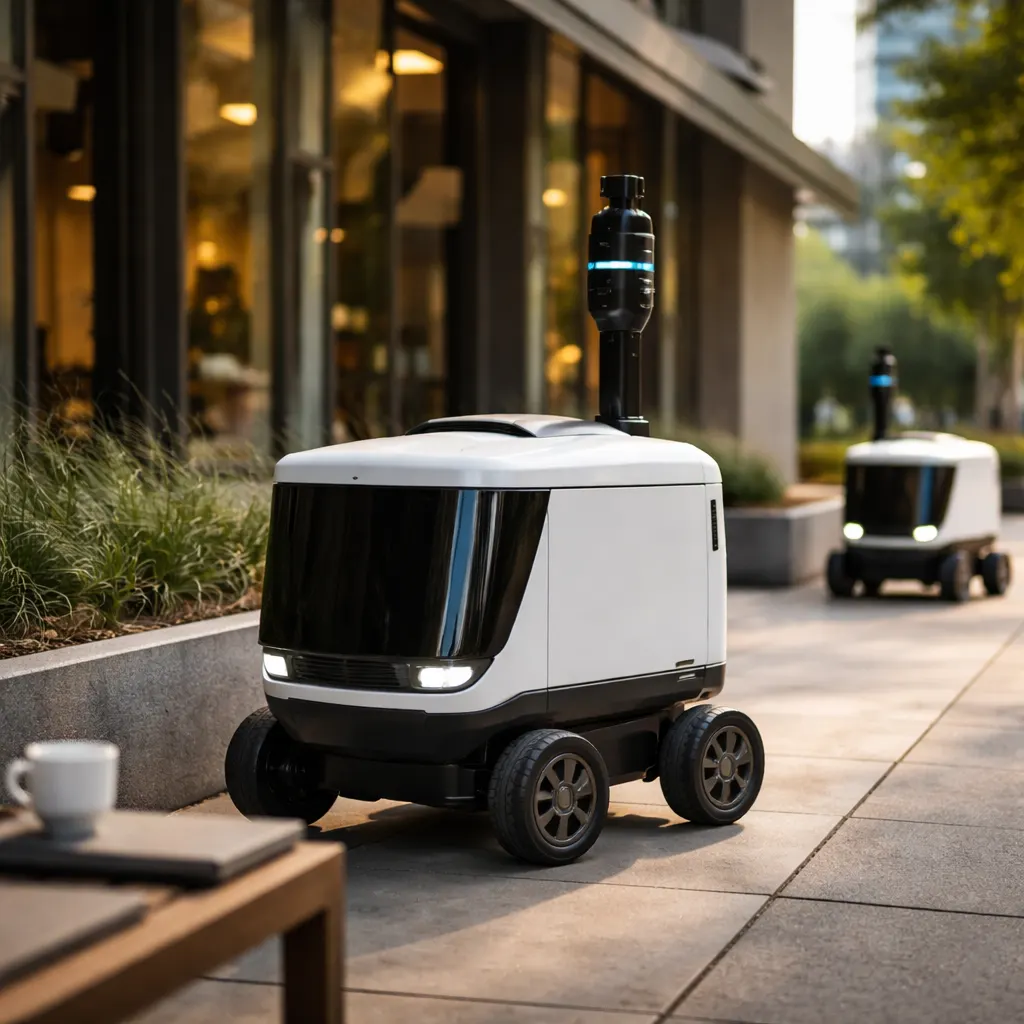
Uber has divested its complete ownership position in Serve Robotics, the autonomous sidewalk delivery robot firm that emerged from the ride-hailing giant more than five years ago, according to a regulatory filing first reported by TechCrunch on August 11. The complete exit marks the end of a relationship that began when Uber acquired Postmates in 2020 for $2.65 billion, gaining what would become Serve Robotics as part of that deal. The final selloff caught Serve by surprise, with the company learning about the divestiture only after it was publicly disclosed, a source familiar with the matter told TechCrunch.
Uber's withdrawal from Serve Robotics had been building for at least a year, with regulatory documents showing the ride-hailing company reduced its stake during 2025 before eliminating it entirely. Serve originated as Postmates X, the robotics arm of the on-demand delivery startup that Uber bought, and spun out as an independent entity in 2021. The two companies signed a partnership agreement in 2022 and expanded it in May 2023 to deploy up to 2,000 of Serve's sidewalk robots onto Uber's platform across multiple U.S. markets. From the first quarter of 2022 through the first quarter of 2026, delivery volume through Uber climbed for 17 straight quarters before reversing in the second quarter of this year.
During Serve's second-quarter earnings call on August 6, CEO and co-founder Ali Kashani explained that the second-quarter decline stemmed from "lower-than-expected robot utilization." Kashani told investors that Serve and Uber hold "differing views" about the operating model needed to scale the shared autonomous fleet, including disagreements over fleet coordination and merchant integration. He noted that during the same period when Uber volumes fell, deliveries with another food delivery partner jumped nearly 50% in a single quarter. As a result, Serve doesn't anticipate renewing the partnership agreement with Uber when it expires in early 2027, Kashani said.
The separation reflects operational tensions that had surfaced well before Uber disclosed the share sale. The report indicates that Uber began pulling back on robot utilization earlier this year, contributing to the first quarterly decline in delivery volume after more than four years of consecutive growth. Kashani's comments suggest the business model friction centered on how to manage a shared autonomous delivery fleet at scale, with fundamental disagreements preventing the companies from aligning on operations. The CEO's disclosure that another delivery partner saw deliveries surge by nearly half in one quarter points to Serve's strategy of diversifying beyond Uber even before the stake sale became public. Serve Robotics represents just one investment in a portfolio of more than 30 autonomous vehicle technology companies that Uber has backed or partnered with in recent years, suggesting the ride-hailing giant maintains a broad approach to the sector even as it exits individual positions. For companies building autonomous delivery infrastructure, the tension between platform operators and robotics providers over fleet management and integration will likely shape which partnerships endure and which dissolve as the technology scales beyond pilot programs.