
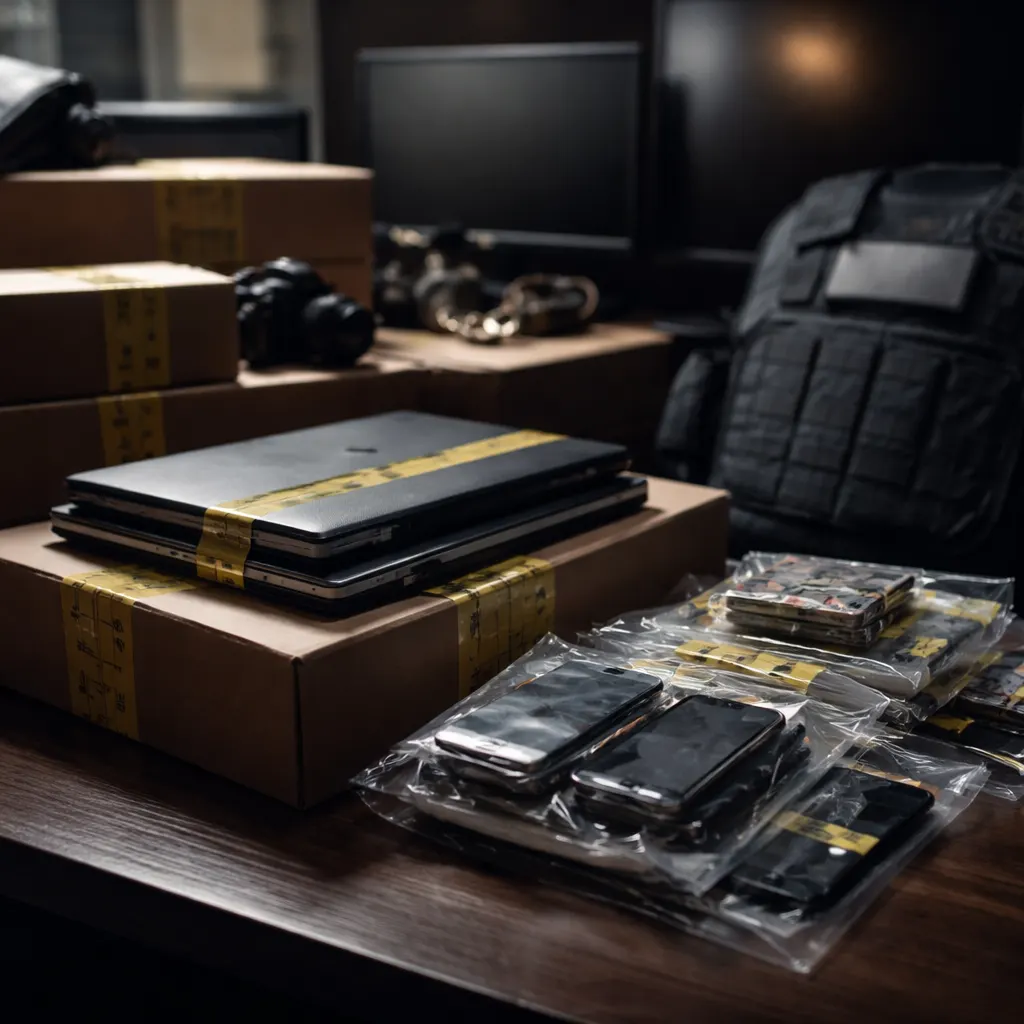
Officials in New York have taken down 12 websites that hosted nonconsensual deepfake videos depicting roughly 1,200 individuals—nearly all of them women—in explicit sexual content, according to an announcement Monday by the Manhattan District Attorney's Office. The seizure represents what's likely the most extensive action yet against explicit deepfake platforms since the technology first appeared in late 2017. Victims shown in the fake videos include social media personalities, actors, activists, athletes, musicians, and elected officials, the office said.
The seized domains were used to share, publish, and sell fabricated celebrity videos, authorities said. Many of the sites incorporated terms like "sex celebrity" in their names or advertised "real deepfakes," and archived versions show some clips had been viewed tens of thousands of times. One website claimed it had been operating since 2018. Videos ran several minutes long and featured fully explicit scenes, typically grafting the faces of celebrities or public figures onto performers in existing pornographic footage. According to Benjamin Shultz, lead researcher at the nonprofit American Sunlight Project, most clips "took the shape of actual pornographic movies, manipulated to instead show targets' faces instead of the original actors." Shultz's research found that 56 European politicians had been mentioned or appeared on the platforms, including 16 US officials and two from the UK. On at least two of the confiscated sites, elected officials were given dedicated profiles listing their names and positions alongside grids of manipulated videos.
District Attorney Alvin Bragg described the content as creating "horrific violations of privacy" that "follow victims into their careers and personal lives and take an immense toll on emotional and mental well-being." The office is continuing investigations into those responsible for running the websites as well as individuals who uploaded harmful videos, and urged potential victims to reach out to its cybercrime bureau. The takedowns were executed under New York's criminal procedure laws and involved seizure warrants issued by a New York State Supreme Court. Sites now display notices reading "THIS DOMAIN HAS BEEN SEIZED," and according to Leonie Oehmig, a researcher at the Institute for Strategic Dialogue who has studied the deepfake creation ecosystem, the seized sites don't appear accessible even when using VPNs to connect from other locations.
The action reflects growing legal tools against deepfake abuse, though the underlying industry remains vast. As artificial intelligence technology has advanced, a shadowy network of websites, apps, and bots has emerged designed to "undress" photos of women or generate graphic sexual videos featuring them, with images and videos becoming increasingly realistic and producible in seconds. While deepfake technology is widely deployed against non-famous women and girls—often circulated in private social media groups—celebrities have increasingly spoken out about the harms and the difficulty of removal. The US Take It Down Act now enables images to be removed and allows law enforcement to seize websites. Oehmig noted the seizures represent "a significant win" but cautioned that "effective intervention needs to target the ecosystem at multiple points," including creation tools, discovery and promotion channels, hosting infrastructure, and payment systems that allow operators to profit. Many of the videos appeared to be reposts from the MrDeepFakes website, a notorious platform that went offline after its creators were exposed by journalists. For businesses and platforms, the coordinated enforcement demonstrates that fragmented state laws can still produce meaningful results when authorities choose to act—though the breadth of the deepfake economy suggests takedowns alone won't resolve the structural incentives driving nonconsensual content creation.