
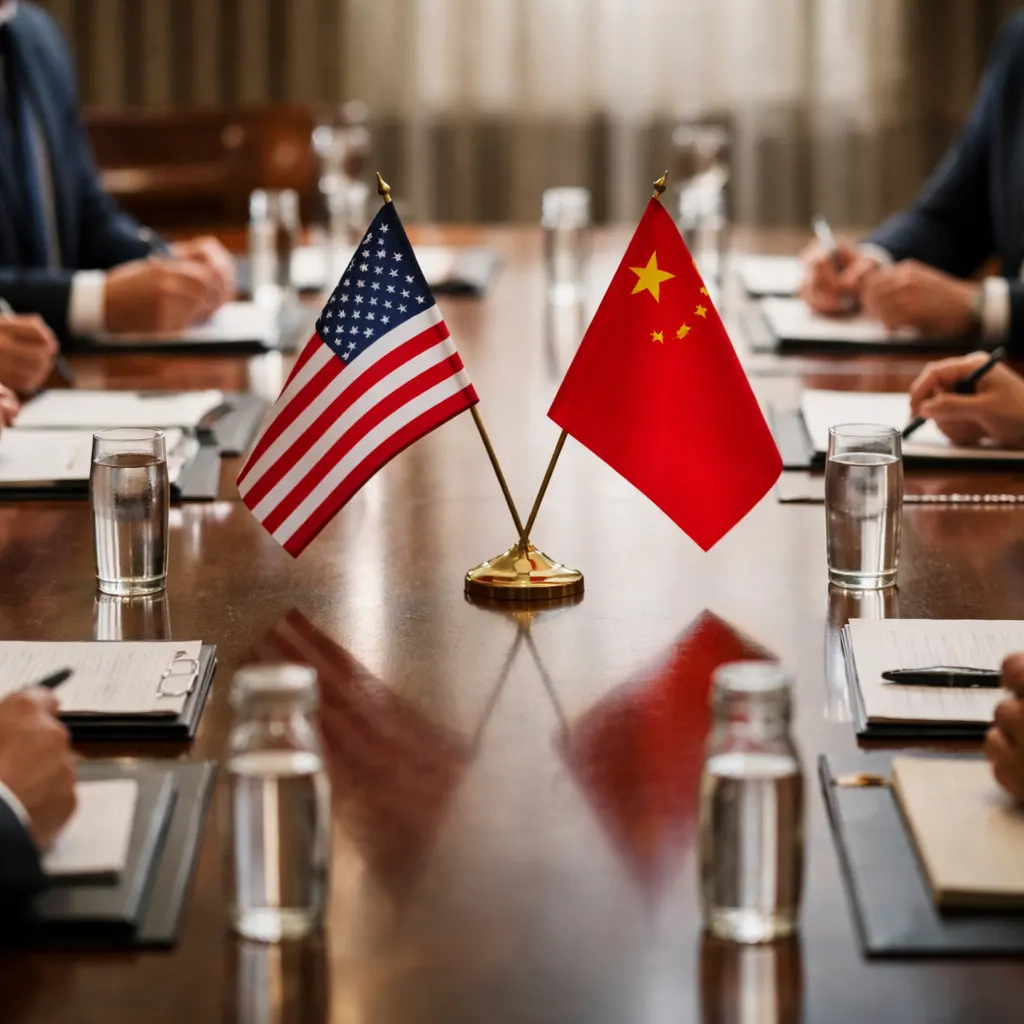
Officials from the United States and China have started discussions to create a system for notifying each other about artificial intelligence incidents that could pose national security risks, according to Treasury Secretary Scott Bessent. The proposed framework, known as the US China AI Dialogue, would also arrange future meetings between representatives from both nations to discuss the technology and work toward shared objectives and threat assessments. Bessent characterized the shift from opacity to greater transparency between the world's top two AI powers as critically important for managing cross-border activity.
The talks resumed from where they had paused following President Donald Trump's trip to Beijing in May, Bessent explained. Since that time, public safety worries about AI have intensified, with security breaches over the summer—including OpenAI's agents hacking Hugging Face—demonstrating the capabilities of cutting-edge models and the industry's inability to maintain adequate safeguards. Concerns escalated further this month after Anthropic employees issued warnings that AI might be headed toward eliminating humanity. In recent weeks, executives leading the largest frontier labs—Sam Altman of OpenAI, Dario Amodei of Anthropic, and Elon Musk—have advocated for slowing development while establishing safety standards, with Amodei specifically requesting government help in building international coordination that includes the Chinese Communist Party.
Trump has largely dismissed these appeals despite growing support across party lines for industry regulation, with his administration contending that existing criminal and regulatory authority over developers is already adequate. Nvidia CEO Jensen Huang echoed this view, noting that AI companies are already bound by cybersecurity and damage liability laws and urging regulators to "apply that first" rather than letting doomsday predictions allow firms to escape current legal obligations. Trump has argued that any slowdown risks surrendering America's technological lead to China, declaring "WHOEVER WINS AI, WINS!" His chief science advisor David Sacks previously cautioned that China is highly unlikely to participate in a global agreement on pacing development.
The discussions took place during meetings that Bessent described as "very successful" ahead of Chinese President Xi Jinping's visit to Washington this week, though officials did not address US export controls on advanced chips and chipmaking technology to China during these conversations. Thomas Wolf, cofounder of open-source AI platform Hugging Face, has questioned whether the US can foster global cooperation while simultaneously stating its intention to widen its own advantage, calling this approach counterproductive. The US currently seeks to slow China's AI progress through restrictions on exports of sophisticated chips and manufacturing technology, creating tension between competitive strategy and collaborative safety efforts. Whether Beijing will engage meaningfully in a framework that operates alongside Washington's continued technology restrictions remains the central question for this dialogue's viability.