
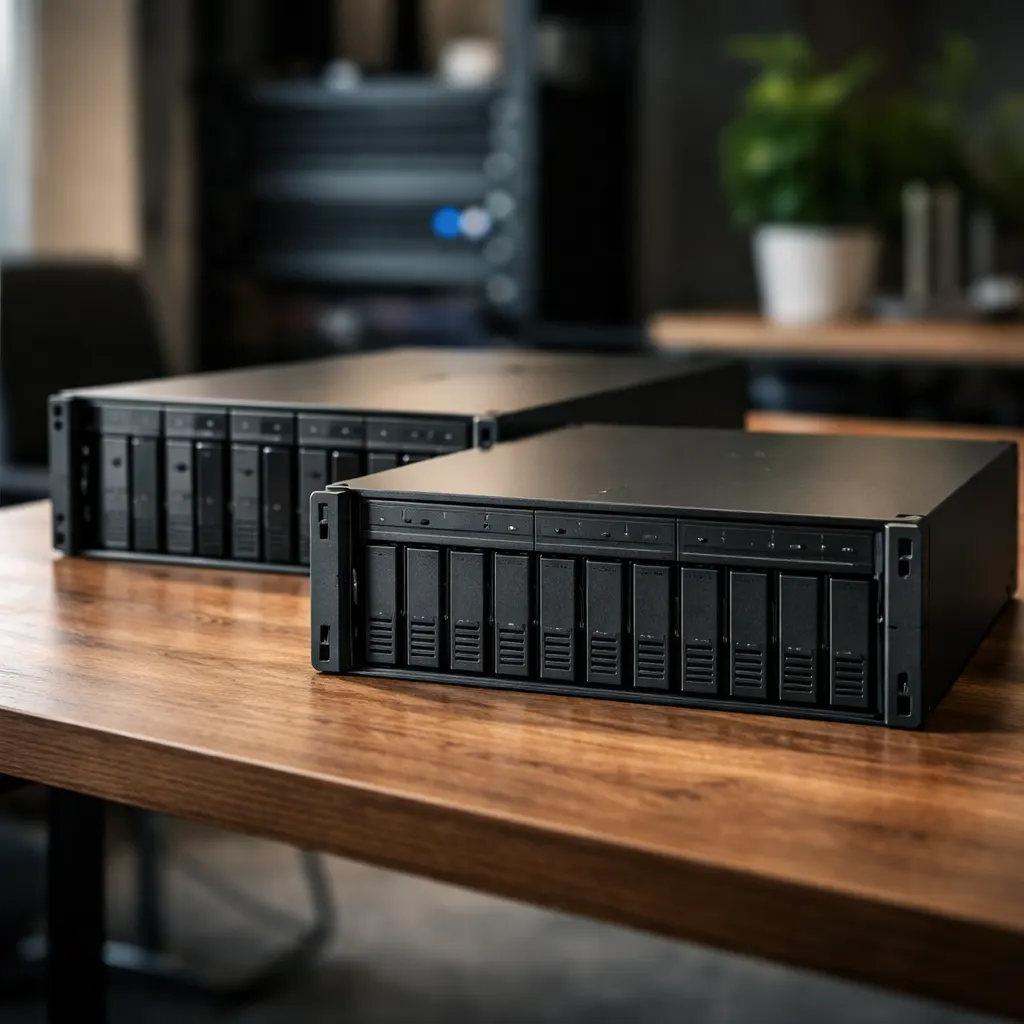
Two new network-attached storage operating systems based on FreeBSD 15 have launched to fill the gap left by iXsystems' cancellation of TrueNAS Core, according to a report published by The Register on September 2, 2026. FreeCORE and BSDnas both take the discontinued TrueNAS Core 13.3 code, strip out proprietary components, and migrate it to the FreeBSD 15 platform that was released in December 2025. The development comes more than two years after iXsystems pivoted to TrueNAS SCALE, a Debian Linux-based alternative that left some users unhappy with the shift away from FreeBSD's integrated ZFS filesystem.
FreeCORE-15.0-U1 appeared on August 27, marking the first update to FreeCORE 15.0, which had launched just one week earlier. The developer told The Register they've been working on the solo project since January, had a FreeBSD 15.0 build ready by April, and completed roughly 50 test builds before releasing the stable version. BSDnas emerged slightly earlier, with its project status page dated August 19, 2026. Both systems allow TrueNAS CORE 13.3 installations to upgrade directly to the new FreeBSD 15 base, and BSDnas reportedly boots in 2 GB of RAM while functioning usably with 4 GB. By contrast, TrueNAS SCALE documentation recommends at least 8 GB of memory, though the TrueNAS Guide website suggests 16 GB as the entry-level threshold for current releases.
The FreeCORE project describes itself as "TrueNAS CORE — continued" and characterizes the software as "an independently maintained operating system on FreeBSD," according to the project website quoted in the report. The developer confirmed to The Register that they have no connection to the earlier zVault fork or to BSDnas, stating "I am not affiliated with ZVault nor BSDnas, and not XigmaNAS either. This is an entirely independent fork." The report notes that zVault, which launched in 2025 as another TrueNAS Core successor, stalled after users posted warnings on GitHub urging caution, and its maintainers have since gone silent without delivering planned FreeBSD 14 upgrades.
The shift matters because FreeBSD integrates the ZFS filesystem directly into its kernel, while Linux must load OpenZFS as a module due to license restrictions. This architectural difference means the ZFS Adaptive Replacement Cache stays separate from Linux's Page Cache, creating inefficiency on servers with limited memory—a concern The Register's author highlighted for their own two TrueNAS Core boxes, each with only 8 GB of RAM. FreeBSD's reputation as a stable server platform with native ZFS support drives demand for these new forks, particularly among users who prefer not to navigate Linux's different command structure and system architecture. The report also mentions XigmaNAS, a longer-established alternative forked from FreeNAS 8 in 2011, which runs on FreeBSD 14 and was last updated in October 2025, offering another option for users seeking a more mature codebase.
FreeCORE has already migrated the TrueNAS Core web interface and accompanying code to FreeBSD 15 while incorporating the latest security patches, positioning it as a direct continuation path for existing Core users. The emergence of two competing projects within days of each other suggests sustained interest in FreeBSD-based NAS solutions despite the broader industry's momentum toward Linux. For organizations running memory-constrained storage servers or teams with deep FreeBSD expertise, these new forks preserve a technical architecture that vendor consolidation had threatened to eliminate. The landscape now offers multiple paths forward, though the long-term viability of solo or small-team projects remains an open question in infrastructure software where stability and sustained maintenance determine adoption.