
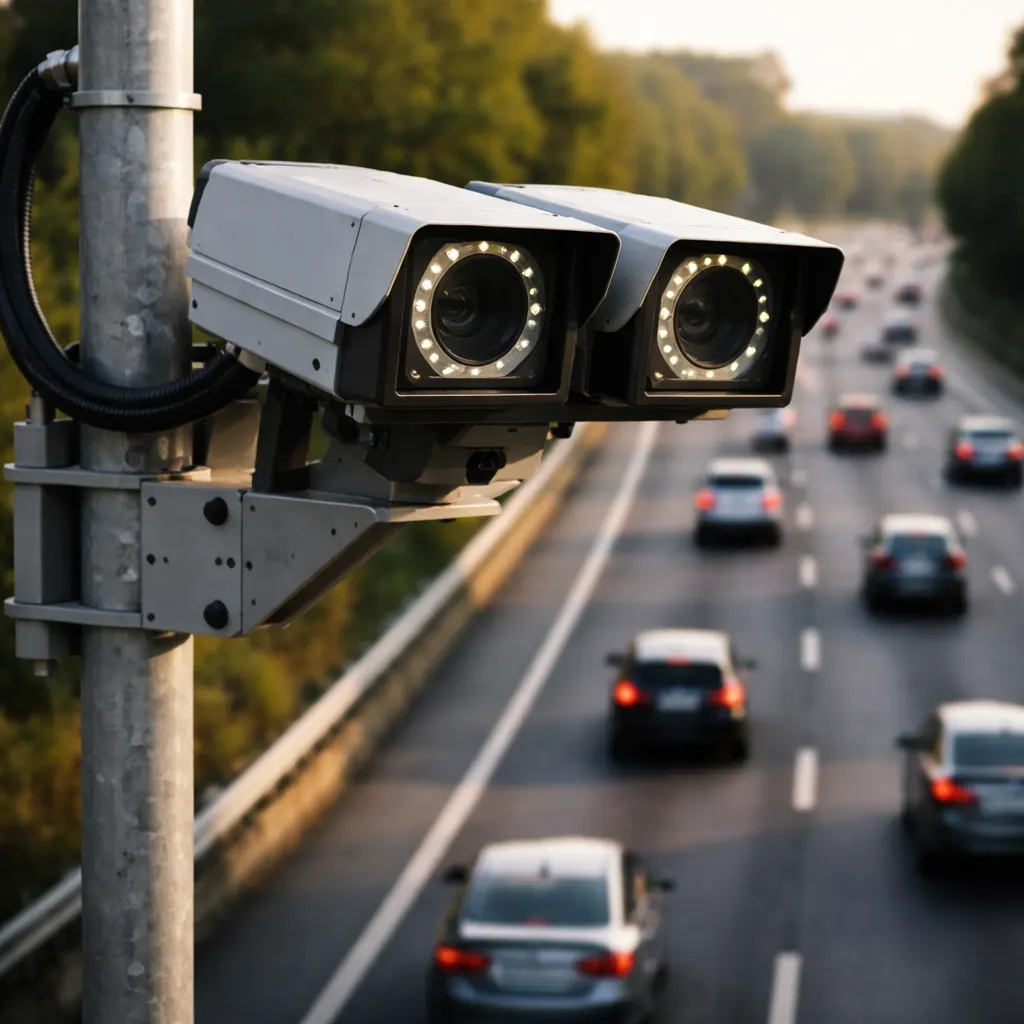
Senator Bernie Sanders introduced legislation Friday that would prohibit federal agencies from using automatic license plate reader technology or accessing data collected by local police and private companies, according to a report by TechCrunch. The Ban Flock Act, despite its name, applies to all ALPR systems rather than singling out any specific vendor in its text. The measure arrives as Flock Safety, the nation's largest license plate surveillance company, faces mounting public backlash and contract cancellations across communities nationwide.
The proposed legislation permits only two exceptions: toll collection and future uses that Congress specifically authorizes through separate legislation, which would need to cap data storage at 48 hours. State and local governments that fail to ban the technology would forfeit grants from five federal departments, including Justice and Homeland Security, starting in the first fiscal year after the law takes effect. The bill also empowers Americans to file lawsuits against the federal government for violations and allows state attorneys general to enforce compliance.
Sanders identifies Flock as the largest ALPR vendor in the United States, with a network exceeding 120,000 cameras. The company, valued by venture investors at over $8 billion, stated in a February blog post that its system handles more than 20 billion vehicle reads monthly. In August, CEO Garrett Langley announced a new default data retention period of seven days, down from 30, and introduced a mandatory audit tool that suspends officer access when it detects unusual search patterns. One high-profile abuse case involved a former Milwaukee officer who pleaded guilty to misconduct after conducting 179 searches for his then-partner and her ex, each time citing "investigation" as the justification.
The bill's restrictions on state and local governments represent an unusual use of federal funding leverage to shape surveillance policy at lower levels of government. Communities have increasingly protested, suspended, and canceled contracts with Flock as concerns grow over officer misuse and privacy implications of nationwide license plate tracking networks. Langley, who previously maintained that camera usage decisions belonged to local agencies, has since tightened company rules under mounting pressure. During a recent podcast, investor Jason Calacanis floated a "double-key" approval system requiring two people to authorize each search, an idea Langley said is "on the whiteboard."
The legislation faces long odds, as most bills do, but carries co-sponsorship from Representative Alexandria Ocasio-Cortez and Senator Jeff Merkley. Citizens could pursue legal action against federal violations, creating an enforcement mechanism beyond agency oversight. The measure would fundamentally reshape federal law enforcement's access to a surveillance tool that currently operates with minimal restrictions, forcing agencies to choose between license plate tracking and compliance with the ban. The financial penalties for state and local governments create an indirect path to broader adoption of restrictions beyond the federal level, though the bill stops short of directly mandating local bans. Whether Congress can muster support for such sweeping surveillance restrictions remains the central question, particularly as law enforcement agencies defend the technology's crime-solving capabilities. For companies building mass surveillance infrastructure, the proposal signals that political tolerance for unchecked data collection may be narrowing, even if the path from bill introduction to enacted law remains steep and uncertain.