
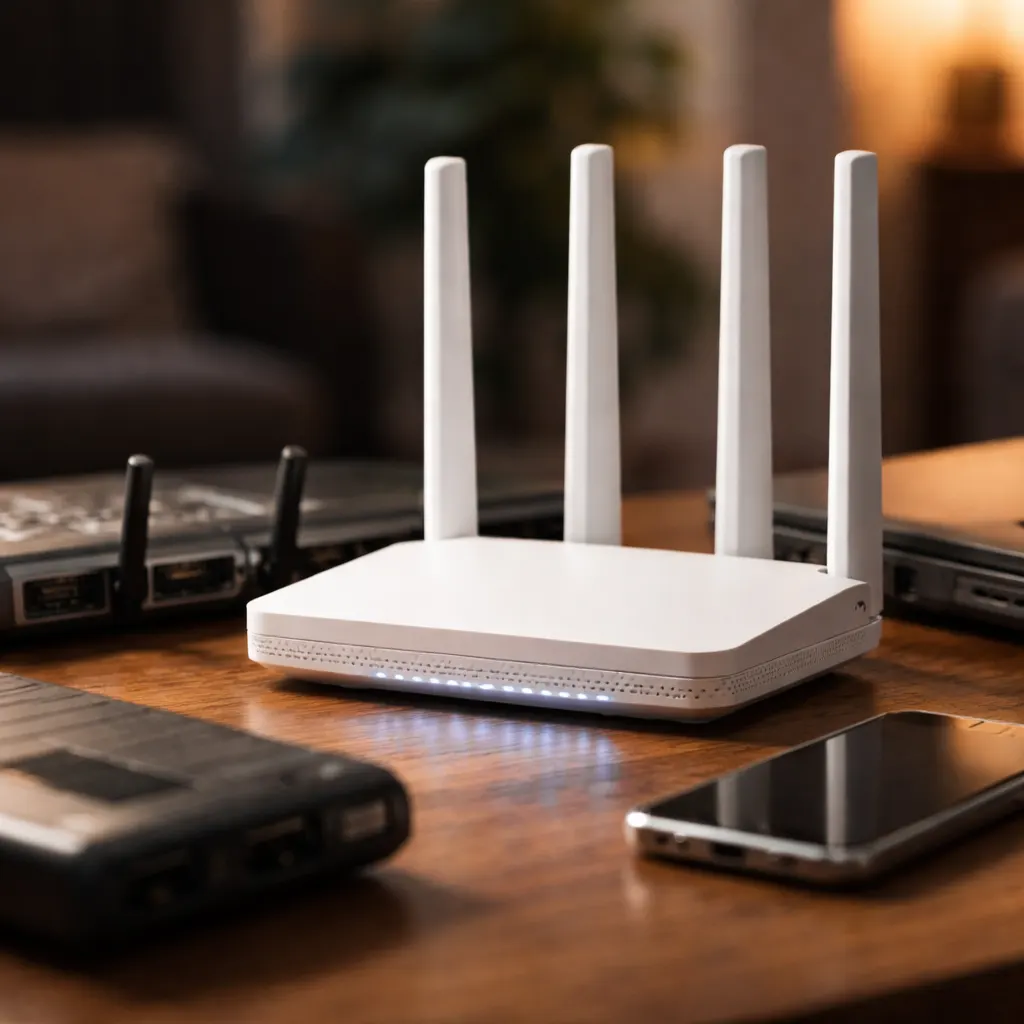
A technical workaround designed to keep older Wi-Fi devices connected to newer routers is creating its own compatibility headaches, according to a report published this week by CableLabs, the broadband industry research organization. The group is urging chipset manufacturers and Wi-Fi 7 hardware makers to prioritize support for a solution called WPA3-Personal Compatibility Mode, which allows legacy equipment to connect to next-generation access points without sacrificing security. The problem stems from how Wi-Fi 7 routers handle WPA3, the mandatory security protocol on the 6 GHz band used by Wi-Fi 6E and Wi-Fi 7.
More than 23 billion Wi-Fi devices are currently in operation around the world, with many built on Wi-Fi 5 or even Wi-Fi 4 technology, according to CableLabs. Home networks especially feature a diverse collection of client devices, where compatibility issues can emerge despite efforts to maintain seamless interoperability. Wi-Fi 7 now represents roughly 7.2 percent of the U.S. market, based on some estimates. The Wi-Fi Alliance launched its certification program for Wi-Fi 7 at the beginning of 2024, and products have been reaching consumers for about two years.
CableLabs notes that some consumers who upgrade to a Wi-Fi 7 router or access point discover that certain older devices can no longer establish connections, "causing confusion and increased customer service calls for operators." The research body explained that WPA3 has existed for years, and before Wi-Fi 7, networks encountering problems with legacy devices could simply revert to WPA2-only configuration to allow all equipment across different Wi-Fi generations to connect. That fallback option is no longer viable because Wi-Fi 7 mandates WPA3, forcing the industry to develop a new solution.
The Wi-Fi Alliance created WPA3-Personal Compatibility Mode to address the problem by relocating WPA3 and Wi-Fi 7-specific security details into Robust Security Network Override (RSNO) elements. The access point can then broadcast WPA2-Personal through the legacy RSN element, while clients that recognize the new RSNO element can negotiate the stronger security needed for Wi-Fi 7. But this introduces a fresh requirement: client devices must support RSNO elements to operate in Wi-Fi 7 mode with a Wi-Fi 7 access point. When WPA3-PCM is enabled, clients lacking RSNO support will be restricted to Wi-Fi 6 operation using WPA2-Personal, even if their hardware might otherwise handle Wi-Fi 7. Because RSNO support remains relatively new, many devices don't have it, which is why CableLabs wants hardware manufacturers to treat the capability as a priority. The organization also wants makers of low-cost and smart home devices, many of which depend on older chipsets, to test their products against the latest Wi-Fi access points.
CableLabs works with cable operators and the industry ecosystem to test interoperability across the varied mix of devices deployed in actual home networks, which gives the organization early visibility into compatibility issues like this one before they reach consumers at scale. The group's push for RSNO prioritization comes as Wi-Fi 8 is already on the horizon, with vendors such as Broadcom announcing their chipset plans. For operators and consumers alike, the message is clear: the path to faster wireless speeds runs through a minefield of backward compatibility challenges that won't resolve themselves. Hardware makers will need to balance cutting-edge performance with support for the billions of devices that aren't going anywhere soon, while households may face a choice between upgrading every connected gadget or accepting that not every piece of equipment will work at full speed.