
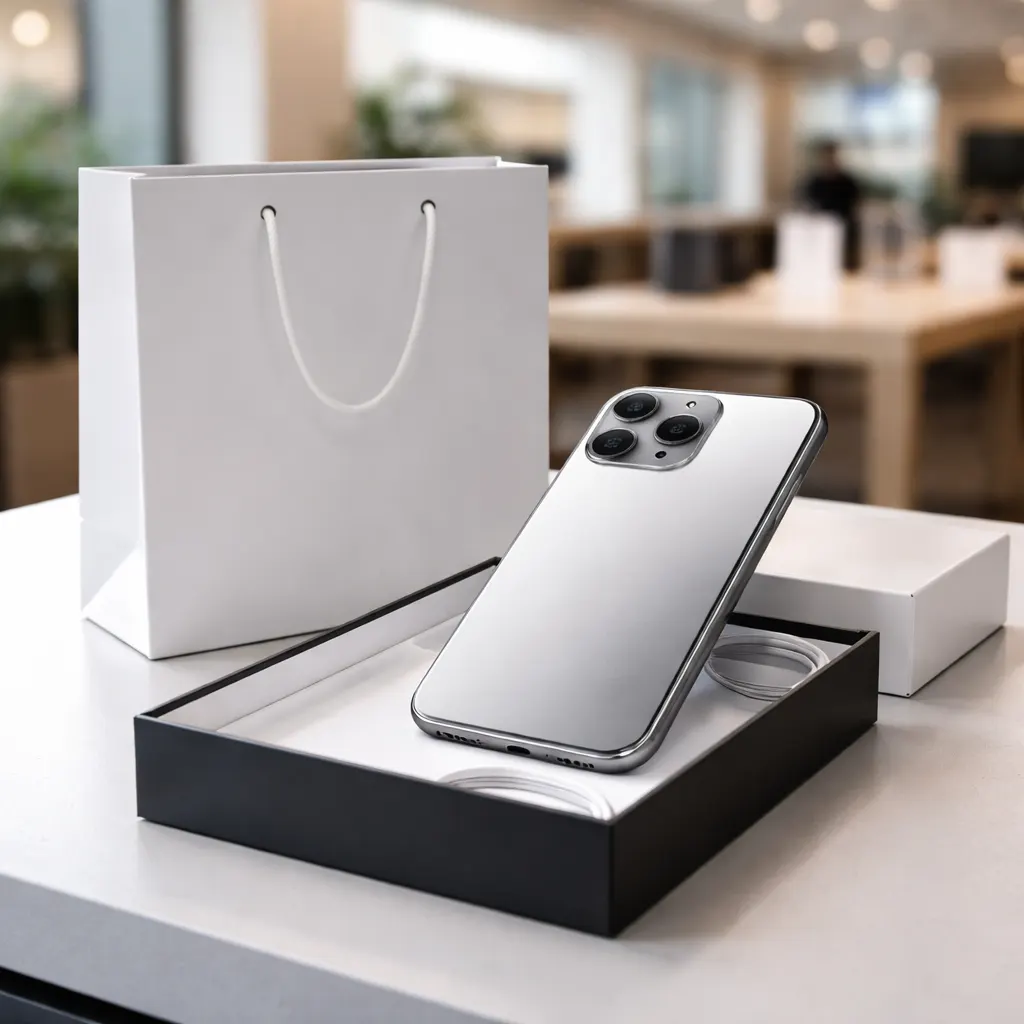
Apple has confirmed it will provide free hardware replacements for iPhone 18 Pro Max devices that have lost cellular service on AT&T's network, affecting what the company describes as a small number of users. The issue, which began surfacing a couple of weeks ago, leaves affected phones unable to make calls, send texts, or use mobile data, forcing devices into SOS mode even though Wi-Fi connectivity remains functional. While Apple released two software updates intended to prevent the problem from occurring, those updates can't restore service to phones already experiencing failures.
iPhone 18 Pro Max owners on AT&T started reporting random disconnections from the carrier's network in recent weeks, with their devices switching to emergency SOS mode. AT&T responded by sending text messages to customers warning of an "important Apple Software update" and stating that "some phones may be unable to complete calls/text/data, including to 911." The carrier initially directed users to install iOS 27.0.1 immediately through Settings > General > Software Update. Apple has only observed this issue among iPhone 18 Pro Max users on AT&T's network and hasn't provided an exact count of affected devices.
Apple told ZDNET that an issue is affecting "a small number of iPhone 18 Pro Max users" on AT&T and explained its response strategy. "We released iOS 27.0.1 earlier this week and strongly encourage all iPhone 18 Pro Max users to update now, and are also issuing a carrier settings update today," the company said. According to Apple, these updates together are designed to help prevent the issue from happening in the first place. AT&T emphasized its commitment to the situation, stating "our top priority is ensuring customers can stay connected when they need it most, and we are working with Apple to make it right."
Neither Apple nor AT&T has publicly identified the root cause, but the iPhone 18 Pro Max's cellular hardware may play a role. A recent iFixit teardown reveals that the US version of the phone uses Qualcomm's Snapdragon X80 modem, while a TechInsights teardown shows the iPhone 17 Pro and Pro Max use the same modem. The iPhone 18 Pro Max appears to add a new millimeter-wave antenna, though neither company has connected that antenna to the service failures. For now, the cause remains unconfirmed, leaving the technical explanation unclear.
Affected owners who've already lost service can contact Apple Support or AT&T, or visit an Apple Store or AT&T location to request their free replacement, since software updates won't reactivate phones already experiencing the problem. The carrier settings update will automatically download for AT&T users over the next 14 days, though users can manually trigger it by navigating to Settings > General > About. AT&T previously told ZDNET that customers continuing to experience problems should seek additional support from Apple or an AT&T store. The simultaneous need for both preventive software patches and physical device swaps suggests a coordination challenge between device manufacturers and carriers that extends beyond typical over-the-air fixes. When hardware failures intersect with network compatibility issues, even the largest tech companies must navigate the tension between speed and scale in their remediation efforts.