
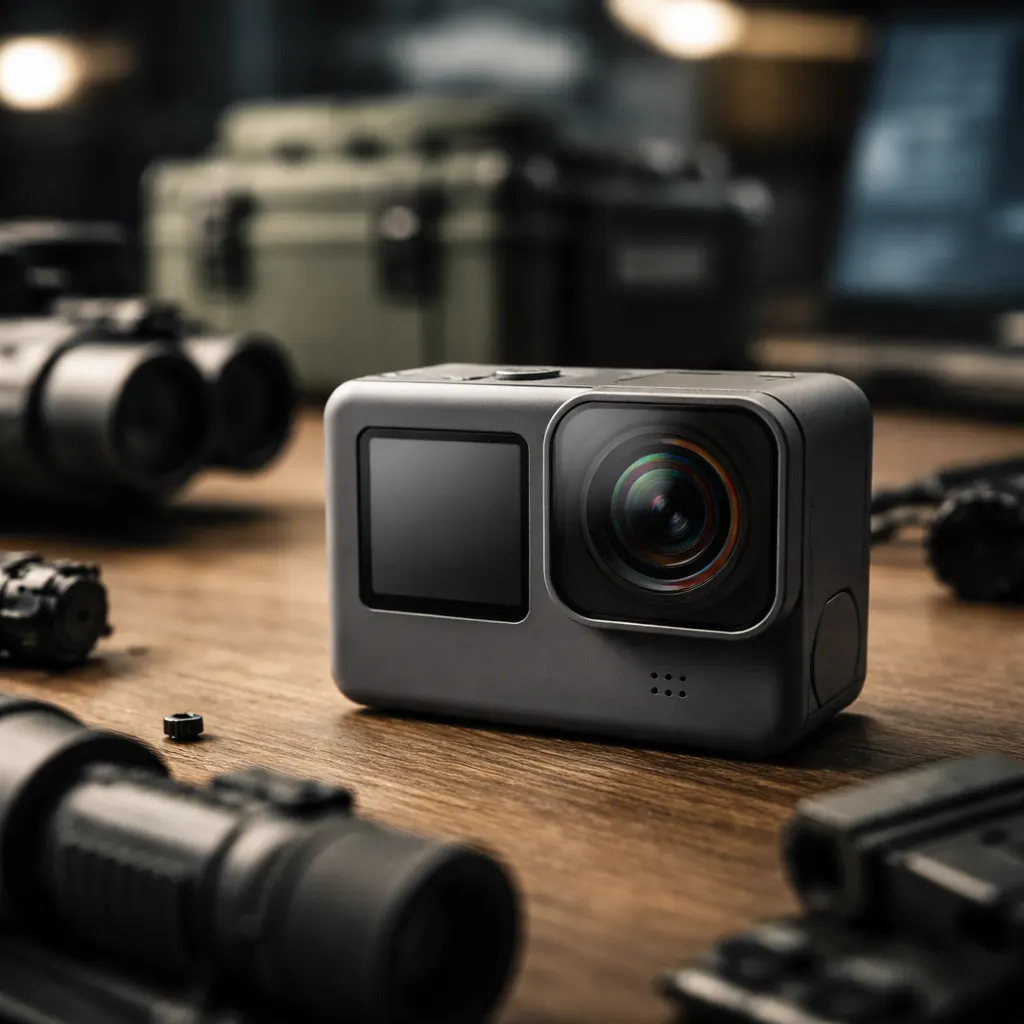
GoPro has been acquired by Starman Holding for $285 million in cash, according to a report from The Verge, marking a dramatic shift for the action camera maker toward defense and national security applications. The transaction, which Starman is calling a merger with its subsidiary Starman Optical, comes just days after YouTuber Mark "Markiplier" Fischbach became the company's largest individual shareholder by purchasing 8.5 percent of GoPro. The deal represents a pivot away from GoPro's consumer roots toward what founder and CEO Nick Woodman now describes as "a leading American imaging and optical solutions company, addressing important areas of national security related to cameras, optics and AI infrastructure."
The acquisition will see existing shareholders retain just 10 percent of the company's equity, with the remainder going to Starman Holding. According to SEC filings, a company called Action Acquisitions LLC will become GoPro's parent company. The value of GoPro's stock doubled overnight following the announcement, though it has since stabilized. GoPro had been struggling financially, having lost most of its publicly traded value in recent years and carrying $92 million in debt. The company had already announced plans to enter defense and aerospace consulting in April, signaling the strategic shift before the acquisition was finalized.
Starman Holding CEO Charles Tebele stated that the combination of GoPro's optical expertise and intellectual property with Starman's advanced transceiver capabilities and U.S. manufacturing platform creates what he called "a unique opportunity." The press release emphasized plans to bring production of critical components back to the United States. In an internal email to staff, Woodman told employees that Starman Optical has the resources to help GoPro expand its consumer product roadmap, grow its software and subscription business, and broaden into commercial and defense markets. He described Starman as strategically positioned in the AI infrastructure industry as an emerging U.S. manufacturer of optical transceivers that will bring "meaningful high margin revenue" to fund GoPro's growth into new markets.
The acquisition suggests GoPro is repositioning itself from a consumer electronics company into a diversified optics and imaging firm serving consumer, commercial, and defense sectors. Starman Holding has interests spanning phone case brands including Incipio, Incase, Griffin, and Survivor, as well as Digital Gadgets, which previously secured $637 million in contracts for COVID-19 tests from New York state. Woodman told employees that day-to-day operations won't change immediately, and GoPro will remain a publicly listed company that continues to fully support existing products and its subscription and cloud service. The deal is expected to close before the end of the year, with additional strategic details to be shared after completion. For investors and industry watchers, the transaction may signal whether consumer hardware companies can successfully reinvent themselves by pivoting toward government contracts and national security applications. The timing also raises questions about whether influencer investments and strategic pivots can revive struggling tech brands or simply provide lucrative exit opportunities for early movers.