
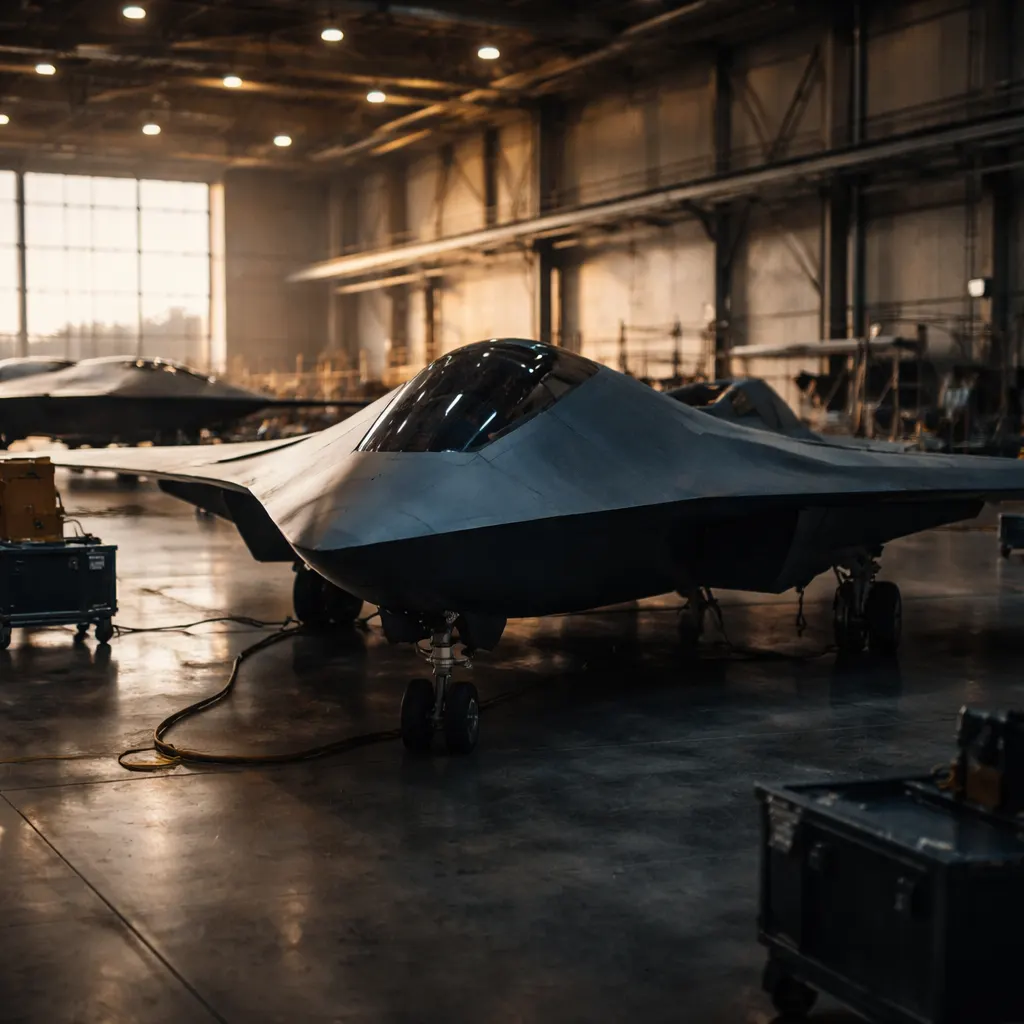
Joby Aviation has announced the acquisition of Resonant Sciences, a Dayton, Ohio-based defense contractor, in a deal valued at $500 million, according to a report from The Verge. The electric aircraft maker plans to use the purchase to push deeper into military work and develop stealth aircraft. The transaction marks the latest example of the emerging electric aviation sector chasing military revenue while the path to profitable air taxi operations grows longer and more expensive.
The company expects to pay for the acquisition with $450 million in cash and $50 million in stock. The deal is anticipated to close in early 2027, after which Resonant Sciences will operate as Joby's defense arm while the company's commercial wing continues working toward launching its first air taxis later this year. Founded in 2015, Resonant Sciences has roughly 250 employees and builds systems that help aircraft see, communicate, and function in challenging settings, including combat zones. The firm's sensors, antennas, and signal-processing tools support secure communications and protect against interference, while its low-observability technology makes aircraft harder to spot. Resonant's products are currently certified for use on more than 20 commercial and military airframes, and many staffers hold military clearance because of the secret nature of their projects.
According to The Verge, Joby says the deal will let it pair its propulsion and autonomy technology with Resonant's radio frequency, sensing, and mission systems know-how. The company states it intends to design and manufacture stealth aircraft using the newly acquired capabilities. Joby's military connections stretch back to 2016 when it joined a Department of Defense Defense Innovation Unit initiative. In 2020, the company became the first electric vertical takeoff and landing developer to receive airworthiness approval and flight clearance from the US Air Force for government testing, and in 2023 it delivered its first aircraft to Edwards Air Force Base. Last week, Joby disclosed a net loss of $245.4 million in the second quarter of 2026 against $38.6 million in revenue.
The push into defense reflects the financial strain across the electric aviation industry as companies burn through cash while waiting for regulatory clearance to start commercial service and generate meaningful income. The report notes that rising costs and a drawn-out approval process have delayed air taxi success, making lucrative military contracts an opportunity too attractive to ignore. Most electric aircraft developers, including Joby, continue posting steep quarterly losses. Securing military work has become just as critical as getting air taxis off the ground. Last month, San Jose-based Archer Aviation—one of Joby's primary competitors—introduced a new aircraft co-developed with defense technology firm Anduril. Boeing also announced yesterday it was selling three of its electric vertical takeoff and landing subsidiaries to Archer as part of a major deal, signaling that consolidation is becoming a key trend in the sector.
Landing defense contracts now represents a survival strategy for companies that once bet entirely on urban air mobility, and the acquisitions underway suggest the industry is reshaping around dual revenue streams rather than waiting for commercial approvals alone. For firms like Joby, building stealth military aircraft may prove essential to staying solvent long enough to see their air taxi ambitions realized. The sector's pivot to defense isn't just a diversification play—it's a recognition that the timeline to profitability in commercial aviation has stretched beyond what venture funding can sustain on its own.