
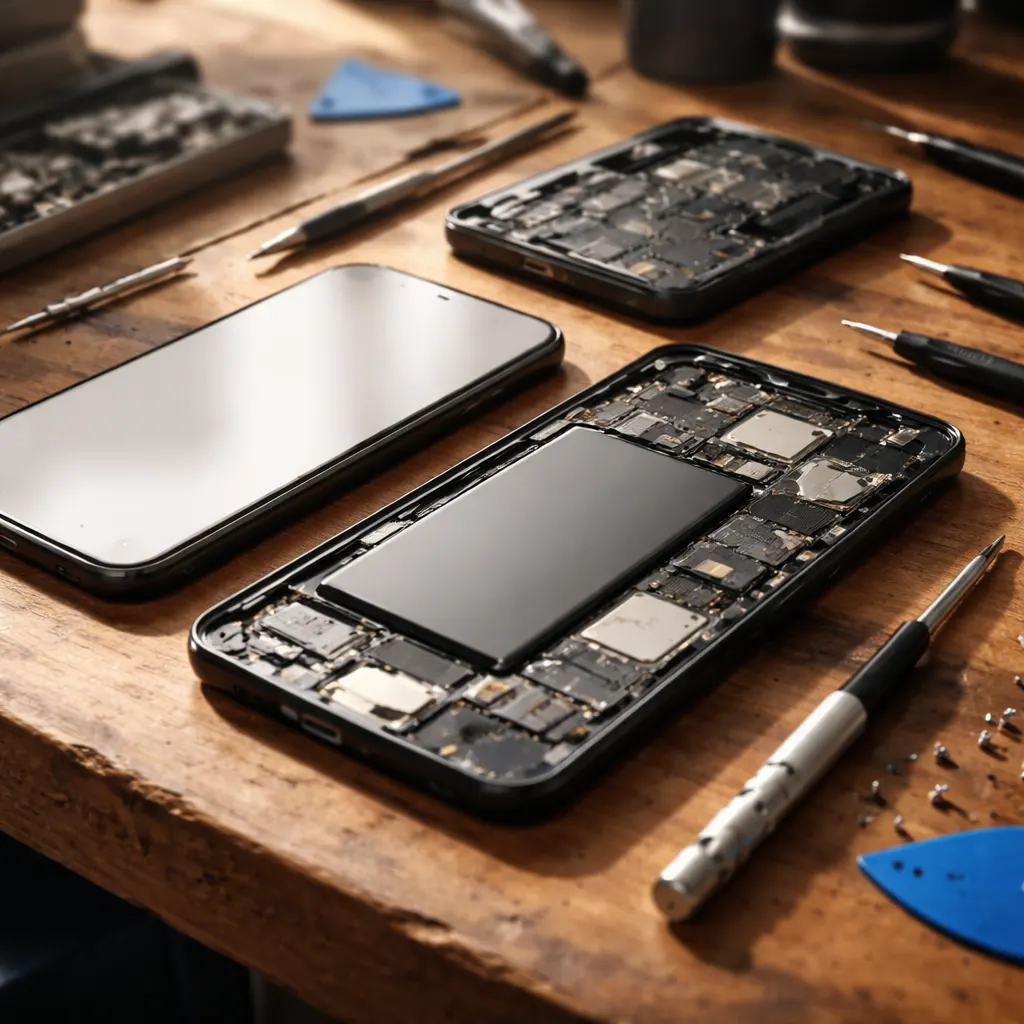
More than 80 percent of smartphones and tablets sold in the European Union over the past year still don't provide mandatory repair information to owners, according to a report published by Right to Repair Europe. The campaign group reviewed compliance with EU regulations that took effect in June 2025, requiring device makers to publish a self-reported repairability score and share details that help consumers fix their products. The findings show widespread failure to meet these obligations, even as many non-compliant manufacturers award themselves top repairability grades.
Right to Repair Europe examined 2,334 records for smartphone models listed in the European Product Registry for Energy Labelling, where manufacturers must indicate where they publish required repair information. Only about 18 percent actually provide a website address where spare parts prices or repair instructions can be accessed. Roughly half of the records contain blank fields where a URL should appear, while another 19 percent direct users to product or support pages that lack any relevant repair instructions or parts listings. Some entries even point customers to third-party marketplaces like Temu or AliExpress for spare parts and repair guidance. Among cases where spare parts are listed, many feature absurdly broad price ranges, such as €14 to €128 for a replacement battery. Even technically compliant products from major brands like Apple and Samsung often require multiple clicks before consumers can locate actual parts prices.
The report notes that thousands of blank fields in the registry appear to have escaped notice by public authorities, suggesting no government body has checked the declared data. Right to Repair Europe questions whether consumers can trust self-assigned repairability scores when manufacturers mark their own homework, particularly given that some blatantly non-compliant makers still award themselves class A ratings for repair information. Thomas Opsomer, iFixit's EU policy spokesperson representing the Right to Repair Europe Coalition, said: "The obligation for publicly available spare parts prices and repair manuals is a great step forward, but it needs to be enforced better." He added that manufacturers should be required to publish the full documentation behind their self-reported scores so anyone can verify their claims, and that consumers and repairers need easier ways to report violations.
The report highlights that the energy efficiency label on products should display both the repair score and a link to repair information, but this label is missing from a significant number of devices sold in physical stores and online. Right to Repair Europe questions how effective the EU's regulatory approach can be when thousands of devices reach the market without meeting basic requirements, and when no enforcement mechanism catches these violations at scale. The group argues that allowing companies to self-certify their repairability creates an obvious conflict of interest that undermines the regulation's intent to give consumers genuine access to repair resources.
Starting in February 2027, EU regulations will require new mobile devices to feature user-replaceable batteries, with limited exceptions for products like wearables. This represents the next phase in the bloc's push to extend device lifespans and reduce electronic waste through stronger repairability standards. Whether enforcement will improve remains an open question, as the current findings reveal a compliance gap wide enough to encompass the vast majority of the smartphone market. The regulatory architecture appears sound on paper, but without meaningful verification or penalties, manufacturers face little practical pressure to transform their repair ecosystems or abandon the convenience of self-awarded excellence ratings.