
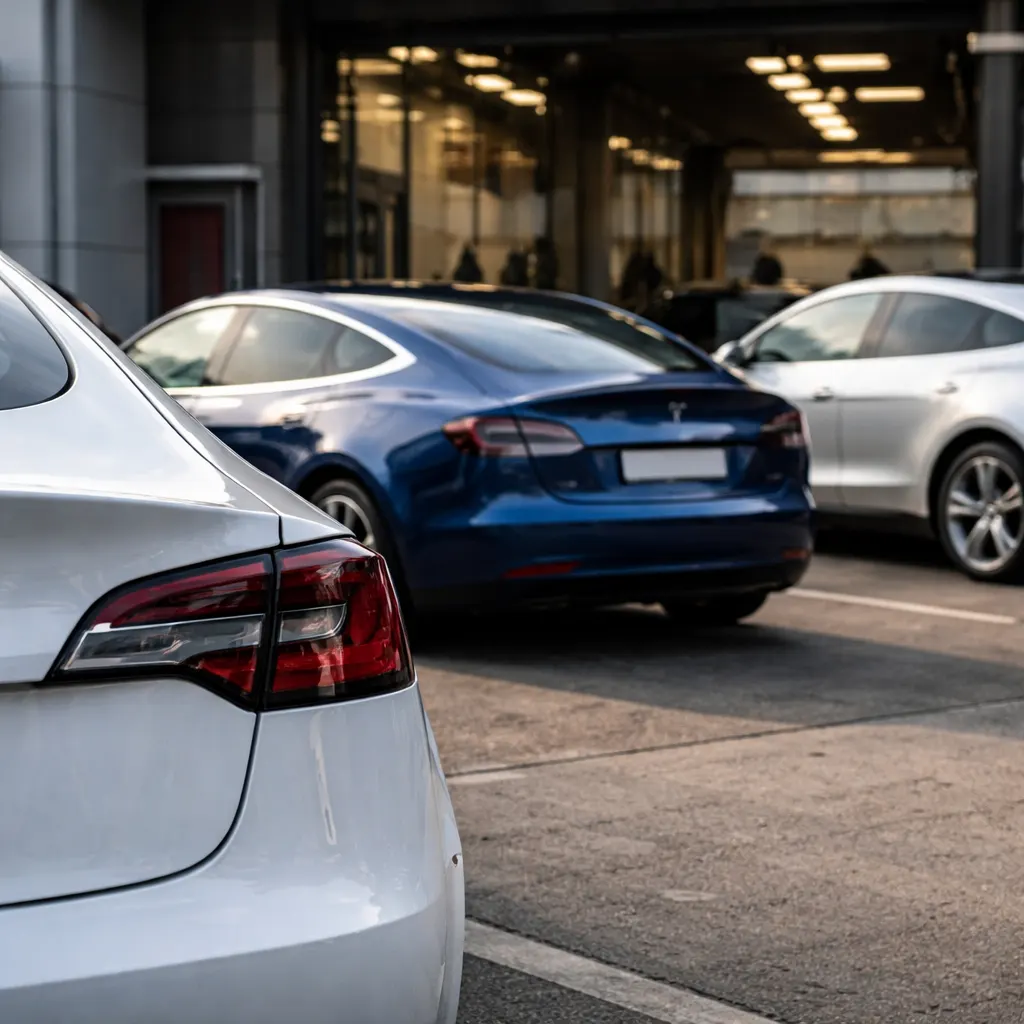
Tesla is recalling just under 3 million vehicles in China as part of a nationwide campaign to warn drivers about concealed emergency door releases that can leave occupants stranded during crashes or fires, according to a report published by TechCrunch on Friday. The recall affects Tesla alongside ten other automakers operating in China, all responding to safety concerns about door systems that rely on electronic latches instead of traditional mechanical handles.
Eleven carmakers are issuing recalls tied to the issue, with nine manufacturers—including Tesla—planning to add warning stickers to their vehicles that point occupants toward the emergency door releases. Xiaomi, Xpeng, and Geely-owned brands Zeekr and Lynk & Co. are also pulling back electric vehicles for the fix. Every one of the eleven companies will send out software patches as part of the recall effort.
The problem traces back to automakers switching from mechanical to electronic door latches, which allow drivers to unlock doors using smartphones or NFC tap cards but can stop working after a collision. Backup manual handles are typically built into vehicles that use electronic latches, but these emergency releases are often buried in surprising locations or concealed beneath door panels, the report notes. After a two-year investigation, China announced in February it would prohibit hidden, electronically controlled exterior door handles starting in 2027. In the United States, the top automotive safety agency launched a probe into Tesla's door-latching mechanism late last year following Bloomberg coverage that highlighted the hazard, and the regulator is considering new rules that could alter safety standards for such systems. One U.S. legislator has introduced a bill requiring manual releases to be "intuitive to use and readily accessible for the occupant."
Tesla isn't alone in relying on hard-to-find manual releases as a fallback for electronic door latches. Rivian faced complaints last year from both customers and staff about the R1 vehicles' manual release, which forced passengers to pry off a panel and yank a cord—prompting the company to relocate the release to a more accessible position on the newer, less expensive R2 model that debuted this year. In 2025, Ford temporarily halted Mustang Mach-E sales and issued a recall to lower the risk of electronic door latches failing when vehicles lost power. Tesla, which made flush exterior handles and electronic latches popular across the industry, has indicated it's working on redesigning its door handles going forward. The moves by regulators in both China and the United States suggest that convenience-driven design choices in electric vehicles will face stricter scrutiny when they compromise occupant safety in emergencies. Whether other markets follow with similar bans or enforcement actions could determine how quickly automakers standardize intuitive manual releases across their global fleets.