
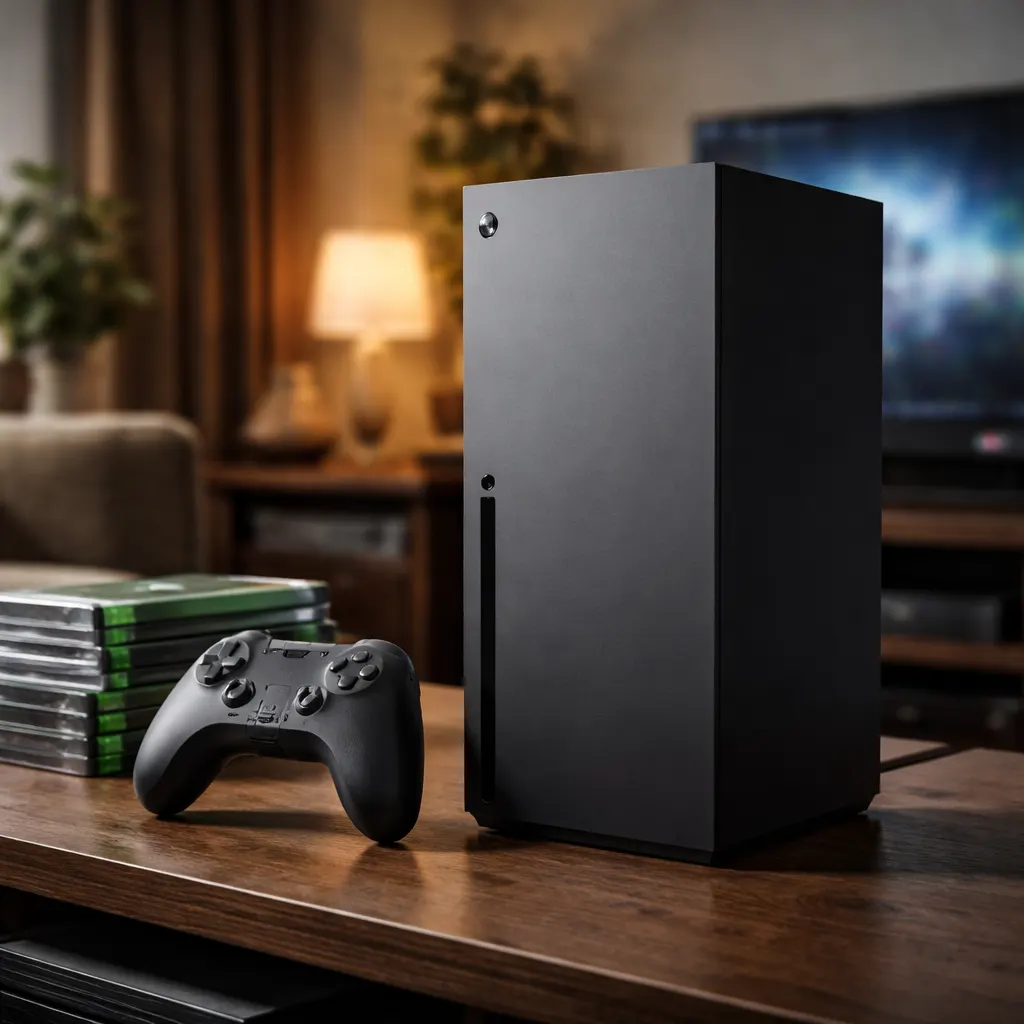
Microsoft's upcoming console, Project Helix, could run games from all five Xbox generations — spanning the original 2001 Xbox through upcoming Helix titles — according to a leaked memo obtained by The Verge. The document reveals plans to bring Xbox 360 games to PC and convert physical discs into digital licenses. But this expansive backwards compatibility won't work like simply inserting a disc and playing — it requires individual game publishers to opt in.
The memo, addressed directly to publishers, outlines two separate preservation programs. For disc-to-digital conversion, Microsoft states that "publisher action: none required" from a technical standpoint, and digitized Xbox One and Xbox Series discs would work on "any Xbox device," including Helix. For original Xbox and Xbox 360 titles, publishers must approve each game individually, set pricing, and decide whether to include them in Xbox Game Pass or offer them only as standalone purchases. Helix itself may not include a disc drive at all — Microsoft is still deciding that question. Between 2015 and 2021, Microsoft made roughly one-quarter of the Xbox 360 library and around 6 percent of the original Xbox library playable on Xbox One and Xbox Series consoles, then stopped.
The document explicitly frames itself as a sales pitch to publishers, with one section titled "Why publishers win." According to the memo, publishers primarily benefit by selling old games as if they were new releases. For disc-to-digital conversion, Microsoft's pitch is to "turn physical disc owners into digital customers" — converting one-time physical buyers into repeat digital purchasers. The memo makes clear that both preservation initiatives require publisher opt-in, even though the technical work falls entirely on Microsoft.
The report warns that opt-in permissions can't be relied upon long-term, pointing to Nvidia's GeForce Now cloud gaming service, which initially streamed purchased PC games without permission, faced publisher backlash, and eventually switched to an opt-in model. Some games disappeared when publishers revoked permission or licensing issues emerged, while others were never approved at all. Even Microsoft's own titles aren't guaranteed permanent availability — multiple Forza Horizon games have been delisted, including the backwards-compatible version of the original, because temporary licenses for cars and music expired. Microsoft itself is a major publisher, though it operates with fewer studios after recent layoffs that affected thousands of employees. Xbox 360 games with cloud saves could arrive as soon as 2027, but only if enough publishers agree to participate. The publisher-dependent model means Helix's potential as a comprehensive game library hinges entirely on corporate decisions beyond Microsoft's control, even as the company shoulders all engineering responsibilities to make older titles function properly.
In an era where physical media is fading and console hardware faces mounting cost pressures, the ability to consolidate decades of gaming history into a single device could reshape how players value new consoles — if the business negotiations don't undermine the technical promise first.