
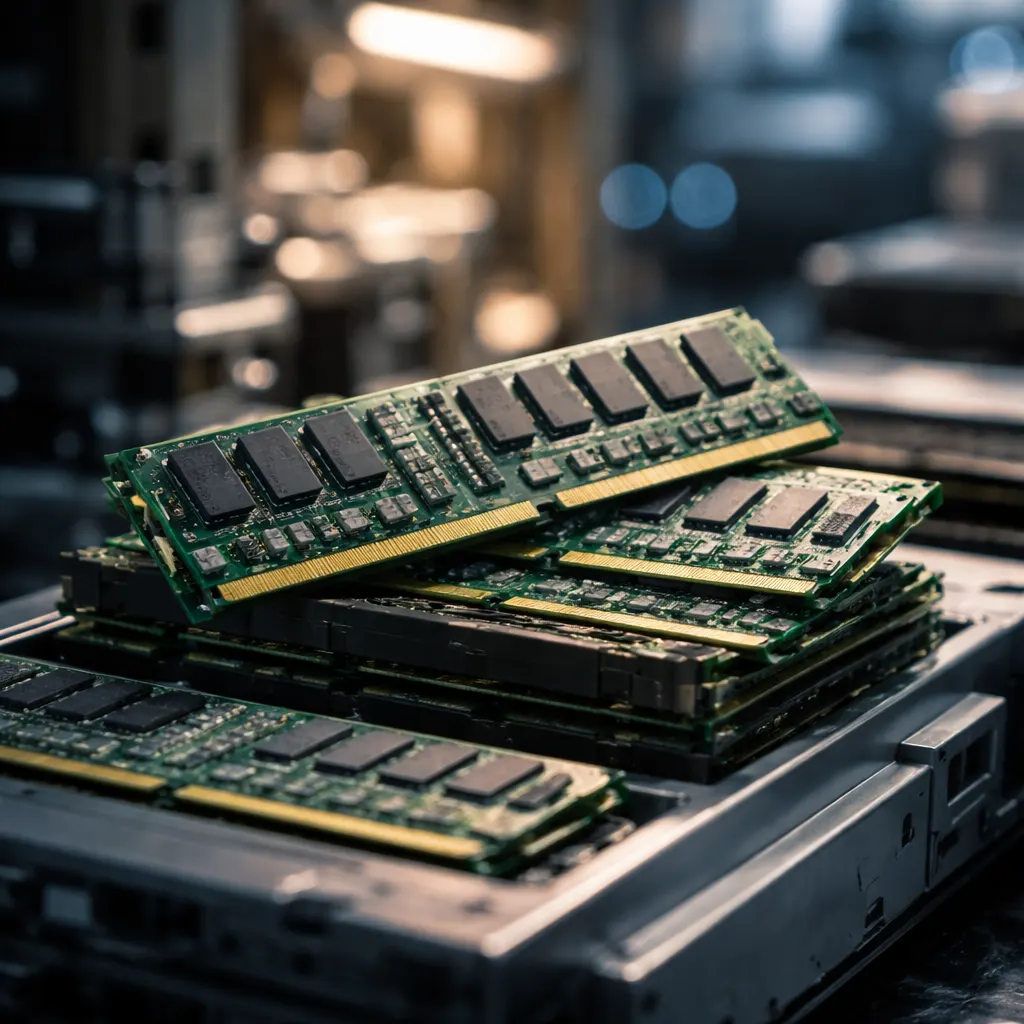
HP Inc. expects its component costs to rise at a slower pace in the coming quarters, even as memory chip prices continue climbing, the company disclosed Wednesday during its fiscal third-quarter earnings call. CFO Karen Parkhill told analysts that while memory pricing will remain a challenge, the rate of increase is beginning to moderate as of the current fiscal fourth quarter. The company also revealed it's still searching for a permanent CEO seven months after Enrique Lores left to lead PayPal in early February.
During the quarter ended July 31, HP's Personal Systems revenue jumped 18 percent year over year to reach $11.76 billion, even as total unit shipments dropped 16 percent. Overall revenue climbed 12.5 percent from the same period a year earlier to $15.67 billion, surpassing Wall Street's $14.39 billion estimate. The company reported non-GAAP diluted earnings of 83 cents per share, beating analyst expectations of 69 cents. Executives attributed the Personal Systems performance in part to growth in AI PC sales, which helped offset declining shipment volumes.
Parkhill said input costs will continue putting pressure on operating margins, especially in personal systems, and that memory and storage costs are expected to keep increasing as a percentage of the bill of materials. She told analysts the company anticipates costs "to continue to rise, but at a slower rate than we have experienced in fiscal '26." Interim CEO Bruce Broussard addressed the leadership search, stating the process "is proceeding well, and we continue to make good progress in finding the right next leader for HP," though he provided no timeline for the appointment.
The global memory shortage stems from the race to construct new data centers enabling surging AI adoption, according to the company. HP has been working with solution providers to use the vendor's broader portfolio as a way to offset some of the price hikes, Chief Commercial Officer Dave McQuarrie told CRN in April. One executive at a major solution provider told CRN that many partners are hoping for faster resolution on the CEO search, noting the difficulty of running a company HP's size with interim leadership. The executive said partners would like to see urgency in the process, given that Lores departed in February. For the rest of fiscal 2026 and into fiscal 2027, HP anticipates continued cost pressures but at a decelerating rate compared to what it experienced earlier this year. The company's ability to navigate the memory crisis while posting strong revenue growth suggests HP has found ways to manage component shortages without sacrificing top-line performance. Whether the temporary leadership structure can sustain this momentum remains an open question for channel partners watching the situation unfold.