
Yum Brands has rolled out an AI-driven automation layer across all 63,000 of its KFC and Taco Bell locations worldwide, weaving the technology into its proprietary Byte SaaS platform, according to a report published August 20, 2026. The company expects the change to deliver hotter food to customers, lift satisfaction ratings, and produce verifiable cost reductions for franchise operators.
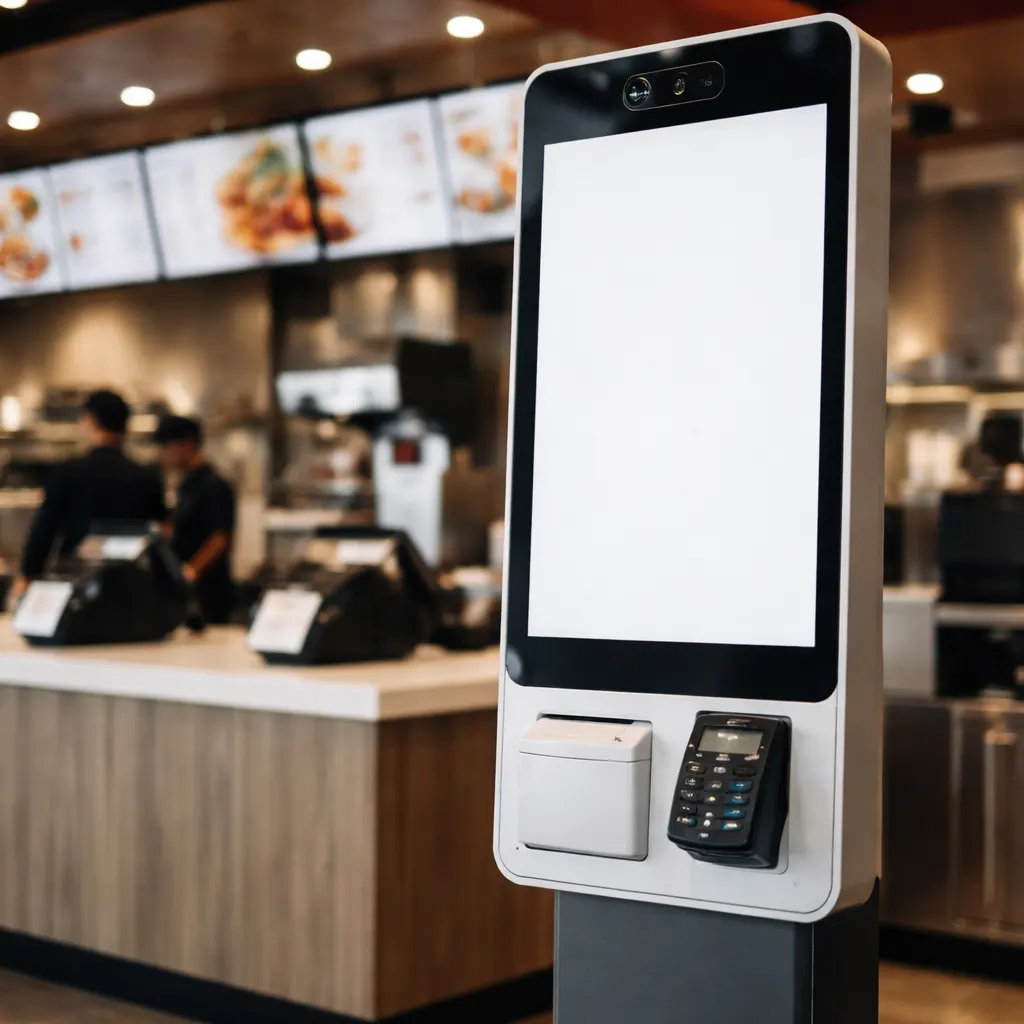
The automation system postpones kitchen preparation until a delivery driver's availability has been verified, raising both the temperature of delivered meals and customer happiness, the report states. Byte consolidates ordering, point-of-sale terminals, kitchen operations, inventory management, and labor scheduling tools into a single platform spanning every site. Digital kiosks now operate in roughly two-thirds of restaurants, while voice-AI ordering has gone live in more than 900 U.S. Taco Bell outlets. Franchisee uptake depends on demonstrated return on investment—either higher same-store sales or quantifiable waste cuts.
The report finds that the deployment "illustrates how a unified SaaS platform can serve as the backbone for AI-driven operational efficiency at massive scale." For software founders, the case highlights the advantage of constructing vertical solutions that pull together data from the entire value chain—ordering, kitchen, inventory, and delivery—instead of selling isolated point products. The initiative also shows that franchise-dominated businesses can embrace enterprise-grade AI when the financial logic is spelled out clearly, creating a fresh market for business-to-business SaaS vendors targeting quick-service restaurants.
Yum's rollout is a textbook case of vertical SaaS achieving scale through tight integration, the report explains. Quick-service chains have historically leaned on point solutions—separate POS systems, delivery apps, and inventory spreadsheets—that trap data in silos and block real-time decisions. By folding these functions into Byte, Yum not only trims integration expenses but also builds a single source of truth for AI models, powering predictive dispatch and waste-reduction algorithms that fragmented data can't support. The shift also marks a wider move from AI-bolted-on add-ons to AI-native platforms; in the past, many SaaS sellers offered AI capabilities as premium modules with steep per-seat or per-transaction fees that squeezed franchise budgets, but Byte's AI is embedded in the core stack, spreading the expense across the entire network and tapping economies of scale.
The rollout intensifies competitive pressure on rival quick-service brands, the report notes. Competitors still using a patchwork of third-party tools may encounter greater operational friction and slower innovation cycles. As franchisees insist on clear ROI, brands that can display measurable improvements—hotter food, less waste, larger check averages—will probably capture the next round of technology investment. For SaaS investors, the case signals that vertical platforms with built-in AI, particularly those addressing franchisee economics, represent a high-growth, defensible niche in the broader enterprise software market. Chains that unify data and automate intelligently will pull ahead, while those clinging to legacy stacks risk falling behind in both customer experience and unit-level profitability. Byte's architecture demonstrates that when AI flows from shared infrastructure rather than bolted-on modules, the cost advantage compounds with scale—a lesson that extends well beyond burgers and tacos.