
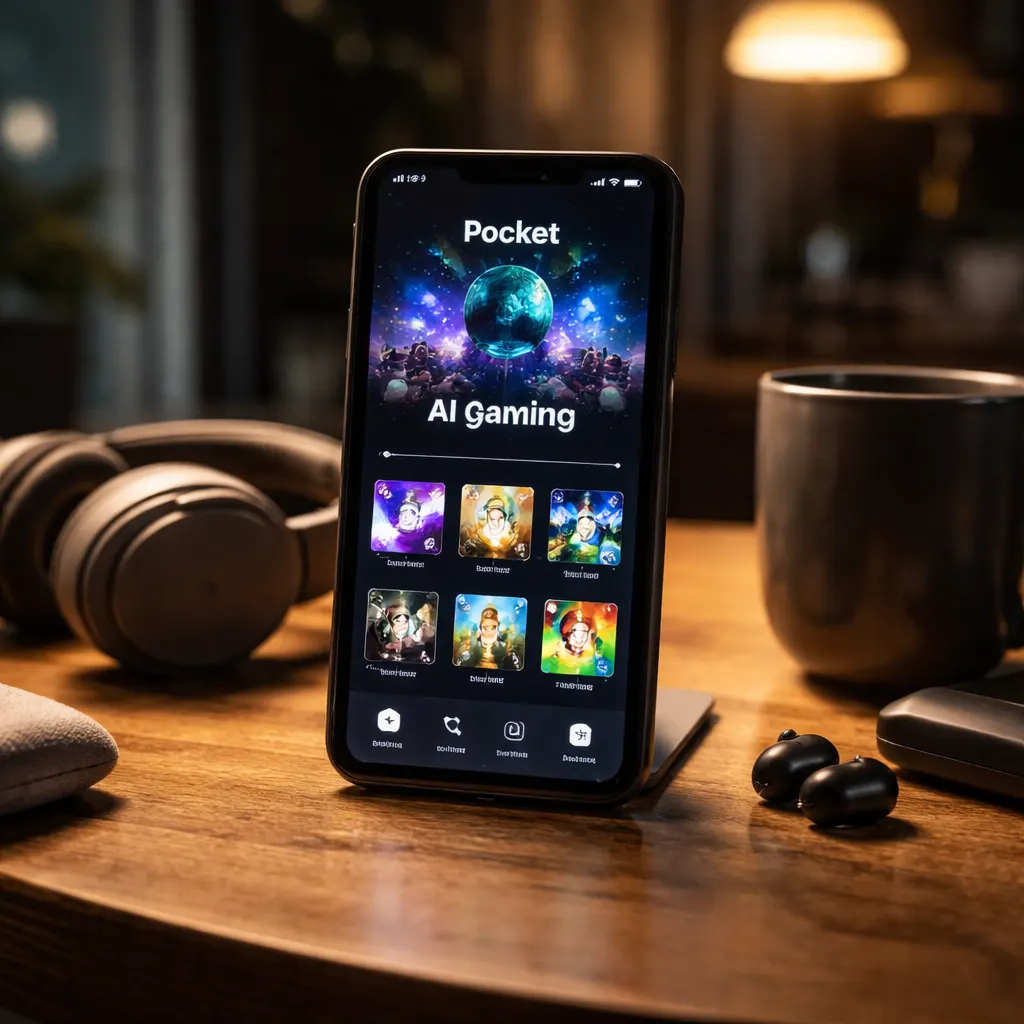
Meta has expanded its experimental AI-powered gaming application, Pocket, to all users across the United States, according to a TechCrunch report published August 20. The platform enables people to create compact, interactive games through AI prompts and share them via a scrollable feed. The app represents the latest in Meta's broader strategy to bring AI-driven creation tools into the mainstream.
The application arrived quietly in Brazil last month as a test market before its U.S. rollout. Pocket emerged from Meta's acqui-hire of the team behind Gizmo, a vibe-coded gaming platform, completed earlier this year. The interactive experiences and games — which Meta refers to as "gizmos" — react to touch and phone tilt, incorporate sound effects, and can feature clips from users' favorite songs. They also integrate photos from camera rolls or access device cameras directly. Once created, these games can be posted to user profiles, where others have the option to save them, remix them into new creations, or simply repost them. With Pocket's launch, Meta is shutting down the original Gizmo app it acquired from Atma Sciences.
CEO Mark Zuckerberg attributed the company's accelerated app development pace to AI-enabled software development, which allows Meta to test and ship new concepts faster. "I expect it to become a lot easier to ship new apps," Zuckerberg told analysts during July's earnings call. "So we are planning to build out more ideas and use our recommendation systems to scale them." The report notes that Pocket joins several other standalone mobile applications Meta has released in recent months, including Instagram Instants, Forum (a standalone Groups app), Seller (a standalone Marketplace app), an experiment with AI bedtime stories, and a Meta AI app for Mac that launched this week.
The application exemplifies Meta's push to mainstream AI-creation tools, following earlier efforts that included AI-generated images through its Meta AI app and AI video creation via an experimental app called Vibes. The vibe-coding approach lowers barriers to game creation by allowing users to generate interactive content through natural language prompts rather than traditional programming. By integrating sharing, remixing, and reposting features directly into the platform, Meta is positioning Pocket as both a creation tool and a social network for user-generated gaming content. The acqui-hire strategy allowed Meta to absorb an existing team with expertise in this emerging category rather than building the capability from scratch.
The arrival of Pocket signals Meta's intention to proliferate specialized apps rather than consolidate all features into existing platforms like Facebook or Instagram. As AI development tools continue to reduce the time and cost of shipping new products, the company appears positioned to experiment more aggressively with niche applications that target specific use cases. The strategic calculus hinges on whether recommendation systems can drive adoption at scale even without the built-in user bases of Meta's flagship apps. For enterprise decision-makers watching the AI creation space, the velocity at which Meta can now iterate and launch consumer-facing products may reshape competitive timelines and force faster innovation cycles across the industry.