
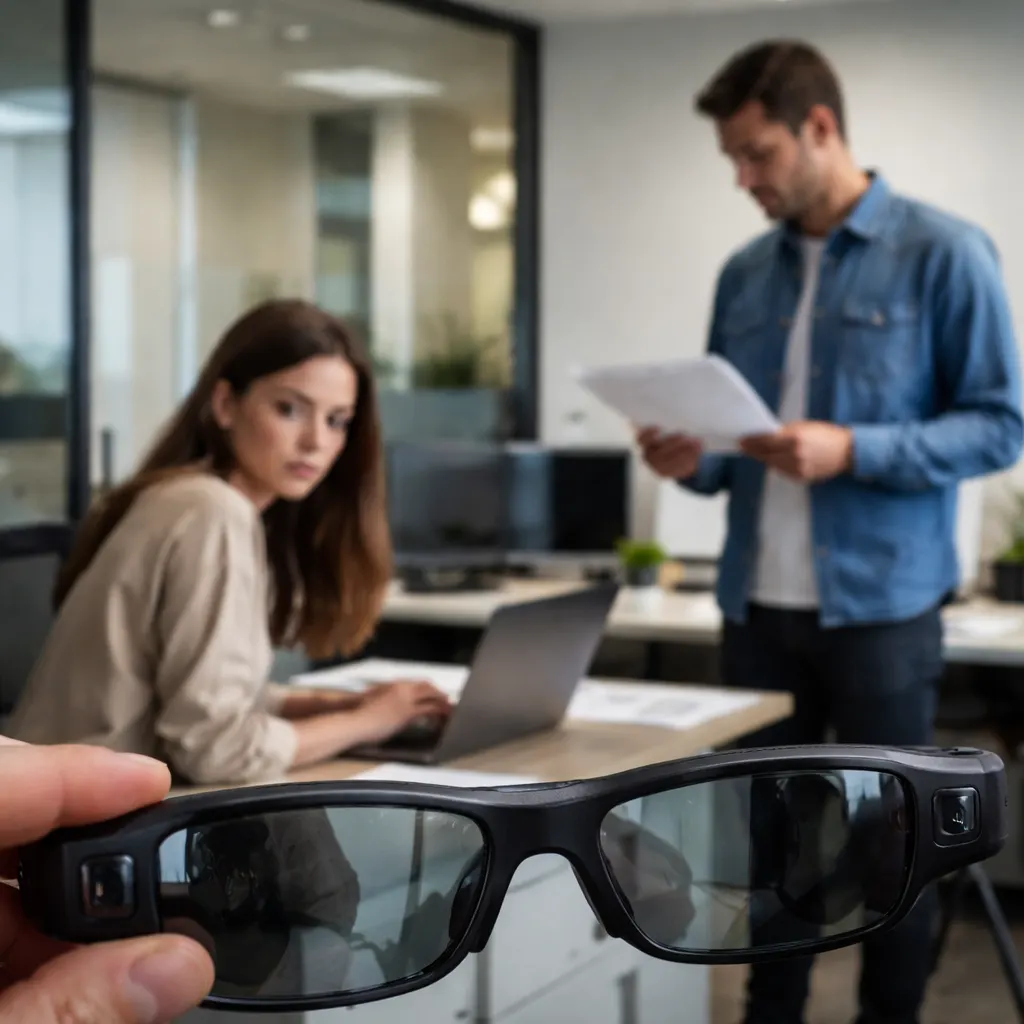
Service workers are being filmed, harassed, and subjected to unwanted surveillance by customers wearing AI-powered smart glasses, according to a report published by The Verge on August 20, 2026. The investigation documents how Meta's Ray-Ban smart glasses have created new vulnerabilities for employees who interact with the public, turning retail and service workers into involuntary content for social media "pranks" and potentially more invasive recordings. As Meta has sold millions of pairs of these devices in recent years, the backlash has intensified — particularly among workers who can't simply walk away from someone filming them without risking their livelihood.
The report details multiple cases where employees were recorded against their will while working. A Target employee named Toru Hinkle was filmed by two customers wearing Ray-Ban Meta glasses who repeatedly asked for price checks as a prank, then turned the confrontation into social media content that racked up nearly 400,000 views on Instagram and 155,000 on TikTok. At a popular Seattle tourist destination, a cashier named Emily reports encountering up to 10 people per hour wearing smart glasses on some days, with men standing over her and filming from angles that make her worry they're recording down her shirt. A worker at a Sprouts grocery store in Atlanta resigned after her boss started wearing Meta glasses to work, concerned about being filmed in break rooms or bathrooms and the potential exposure of customer credit card information and personal data.
The report finds that smart glasses intensify the power imbalance between customers and employees, making it risky for workers to resist invasive technology when their jobs — and ability to pay rent or buy groceries — depend on complying with customer interactions. Meta spokesperson Dina El-Kassaby stated that "trust matters" and pointed to privacy features like the LED indicator light that blinks during recording, along with tamper-proofing the company has begun rolling out. However, the report notes that some users have obscured the recording light to secretly film without being noticed, and Instagram banned one account featuring harassment videos only after The Verge asked the company about it. Comedian Electra Telesford cut her set short after an audience member wearing Meta glasses refused to stop filming, telling her defiantly: "I'm here to watch you, and you're here to perform for me."
The report explains that US privacy laws are fragmented and outdated, with workplace protections around being recorded governed almost entirely by corporate policy rather than legal mandates. Law professor Woodrow Hartzog says information privacy law generally grants reduced expectations of privacy in public spaces, leaving employees' best hope for protection through collective bargaining and company-level rules about when recording technologies can be used. Many workplaces don't yet have policies addressing smart glasses, even as workers encounter them daily. Immigration and Customs Enforcement announced a ban on employees wearing Meta glasses in August because of the risk of capturing sensitive information, and some courthouses have restricted the devices to prevent identifying jurors. The company is reportedly developing smart glasses that record continuously, pulling in data from audio and photos that wearers could later query through Meta AI — a feature where the LED light would only activate when actively saving photos and videos, potentially causing routine encounters to be recorded and processed without others' knowledge. Hartzog warns that businesses permitting these devices face new liabilities as surveillance increases the volume of abuses and data breaches, recommending clear policies prohibiting smart glasses for both employees' and customers' protection. The contemporary social media ecosystem has long depended on strangers unwittingly becoming content, the report notes, and a platform cleansed of all material exploiting others would be relatively empty. For workers who already hold less power in their roles, smart glasses represent another way to be marginalized and dissected, contributing to the broader pattern of employment increasingly requiring workers to accept greater suffering as part of the job. The erosion of workplace boundaries may accelerate if recording becomes ambient rather than deliberate, fundamentally altering how people interact in commercial and professional settings.