
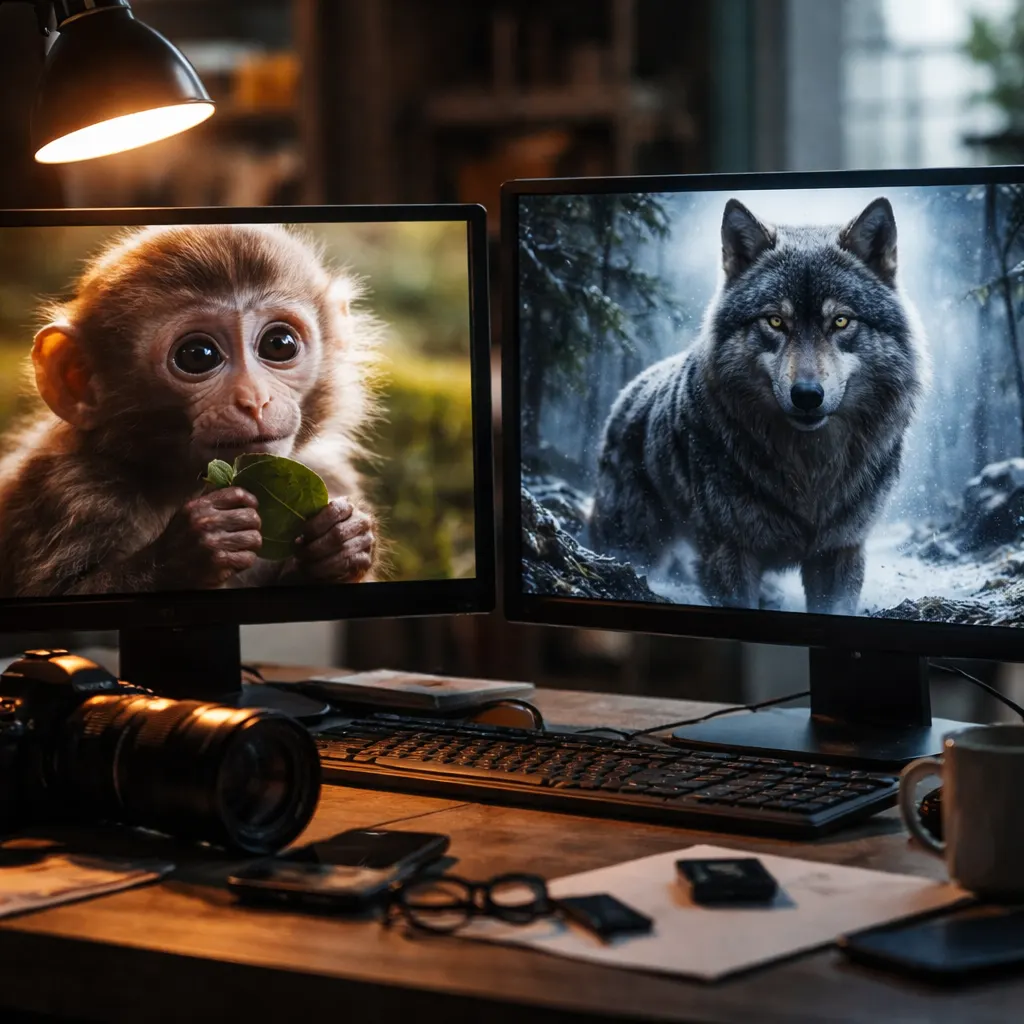
Artificially generated pictures and videos are undermining one of the internet's largest and most lasting sources of joy and compassion: animals, according to a report published by WIRED this month. The surge of deepfakes and synthetic content over recent years has reached a point where many people can no longer trust the creatures appearing in their feeds at face value. The report finds viewers, content creators, and animal welfare organizations are now forced to scrutinize every image for pixel-level glitches or other indicators of artificial intelligence.
The report documents several cases illustrating how AI-generated animal content is causing real-world harm. In one instance, Mibbby Butler received a text in April claiming her lost cat Brooklyn had been found, accompanied by a photo showing the animal on a kitchen counter being held by a girl. Butler initially believed the message, but the sender demanded payment for temporary care, prompting closer examination. She discovered Brooklyn was posed identically to her missing poster image, and background details like a Torani syrup bottle label contained garbled text, a telltale AI signature. Butler didn't pay, and four months later Brooklyn remains missing. The report notes Butler now receives approximately one deepfake per month from different individuals claiming to have found her cat. WIRED was able to recreate an image nearly identical to one scammer's photo using ChatGPT with a 29-word prompt and Butler's original poster image.
The nonprofit We Animals, which has published work from 175 photojournalists documenting alleged abuse at farms, circuses, and laboratories, faces mounting skepticism about its authentic footage. Marketing manager Eva von Jagow says the shocking nature of the material naturally invites doubt, with viewers increasingly accusing the organization of using AI despite its ban on photographers employing the technology. "How to prove it's not AI?" an Instagram user commented earlier this month on drone footage showing rows of hutches allegedly used to separate calves from their mothers at an Arizona dairy farm. According to director of visual content Victoria de Martigny, preserving trust is crucial, or else it could "open up the door to people questioning all of the work". The organization expects it will need to start sharing behind-the-scenes clips, more verification details, and adopt technology embedding provenance and editing history into digital files.
The report explains that synthetic imagery offers AI slop account owners a convenient path to collecting likes and advertising revenue because fakes are far cheaper to produce than genuine content. This economic incentive appears to be causing AI-generated clips to overwhelm real footage in social feeds and search results. Oscar Horta, a philosopher and leading animal activist who recently helped direct a short film on AI's potential impact on wildlife, expresses concern about far-fetched videos depicting wild animals being rescued during fires and floods. The report indicates Horta worries this likely AI-generated content will lead people to question legitimate rescue tactics and hamper fundraising efforts, particularly problematic as extreme weather events become more common. Inauthentic content could also inspire dangerous behavior that harms animals, with Horta describing deepfakes of polar bears drowning and boat rescues as ridiculous and unrepresentative of actual animal welfare work.
Researchers have begun proposing solutions to slow the creation and spread of AI-generated animal misinformation. Jeff Sebo, director of the Center for Mind, Ethics, and Policy at New York University, began pushing AI developers this month to incorporate language into model guidelines discouraging responses potentially harmful to animals while avoiding being overly preachy or refusing reasonable user requests. New California and EU laws now require the most popular AI image generators to embed invisible tags signaling artificial intelligence creation, with social media platforms then obligated to use those tags for public labeling. Greater public awareness and increasing access to verification tools could further restore trust, though features in ChatGPT, Gemini, and Meta AI that identify whether images were generated by respective chatbots face limitations including caps on how many images someone can check. The report suggests integrating verification tools directly into messaging apps and web browsers and turning them on by default with privacy protections could make them far more useful, potentially warning users automatically when images might be fake. The platforms that profit from engagement have little structural incentive to police content that keeps users scrolling, even when that content exploits emotional vulnerability around lost pets or animal welfare. Without regulatory enforcement with real teeth, voluntary labeling schemes risk becoming another layer of fine print that scammers simply ignore.