
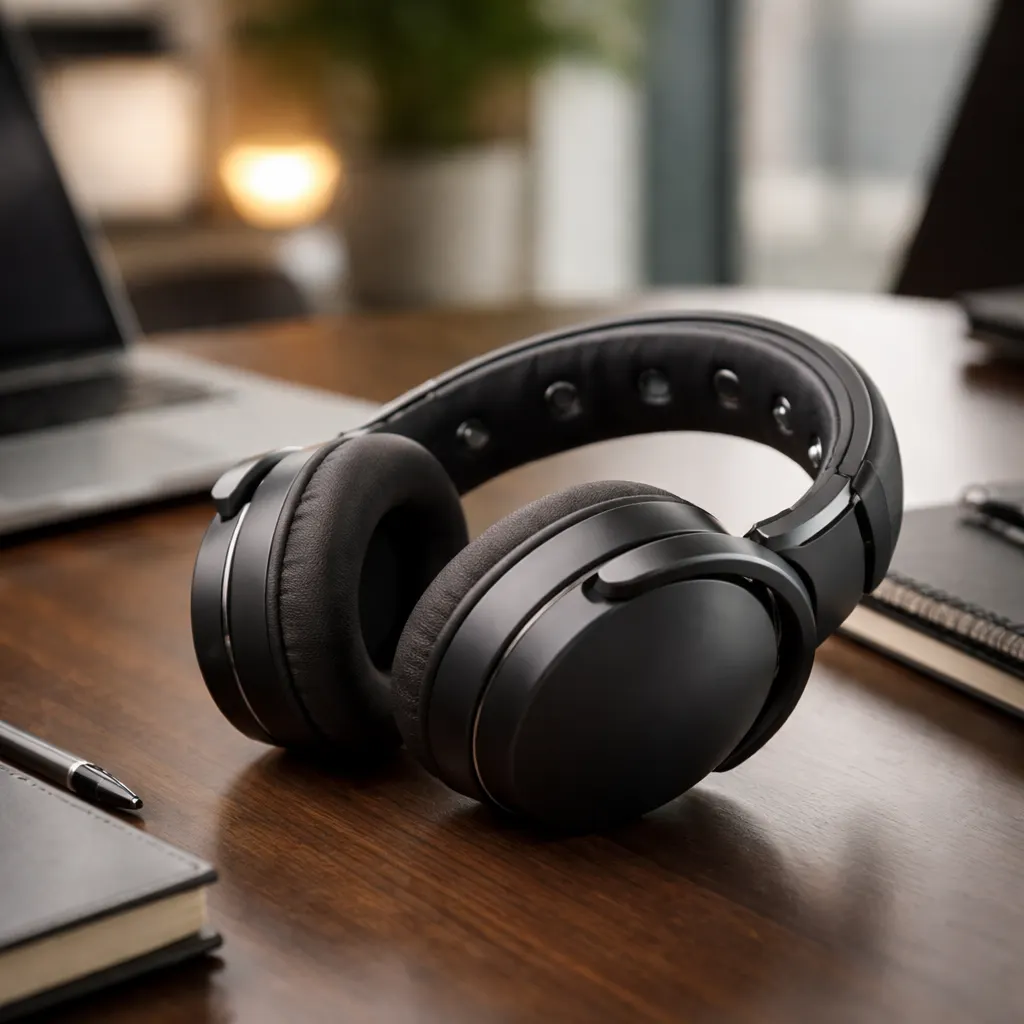
Neurable unveiled the Neurable One on Thursday, a pair of headphones featuring brain-scanning technology designed to track and improve concentration during work, study, or gaming. The Boston-based company, which previously licensed its electroencephalography (EEG) technology to other brands, decided to manufacture its own hardware to accelerate development and demonstrate the full potential of its brain-monitoring capabilities. The $499 headphones will be available in October from Neurable's website.
The Neurable One incorporates 12 EEG sensors embedded in nylon earpads that continuously monitor brain waves, tracking eight brain metrics through a companion app. These measurements include Brain Age, which compares your brain's perceived age against your actual age; Brain Battery, indicating remaining mental reserves; Speed, measuring information processing rate; Focus, assessing attention quality; Load, gauging effort expended on tasks; Stress, evaluating tension levels; Sleepiness, tracking proximity to sleep; and Alpha Peak Frequency, described as the brain's equivalent to heart rate variability. The headphones monitor brain activity passively once worn, eliminating the need to manually start tracking sessions. When distraction is detected, the device plays an alert sound to refocus attention, and it recommends breaks when signs of burnout appear. The hardware includes 40-millimeter beryllium drivers, six microphones, active noise cancellation, transparency mode, and 22 hours of battery life—12 hours with EEG sensors active—plus support for Bluetooth 5.2 and both AAC and aptX codecs.
Ramses Alcaide, Neurable's cofounder and CEO, told WIRED that when the app indicates his brain battery is depleted, "he'll go to the sauna and go to bed early to help him recover." The system can identify peak brain speed hours, allowing users to schedule demanding work during those optimal periods. Earlier research conducted with the Mayo Clinic showed individuals using Neurable's headset experienced a 30 percent increase in focus compared to people relying on Pomodoro techniques or other focus methods, along with a roughly 10 percent reduction in end-of-day burnout and improved end-of-day happiness. The company hasn't released new research data for the latest hardware, though studies are underway.
The product isn't classified as a medical device and isn't intended to diagnose, treat, or monitor medical conditions. Neurable pledges not to sell collected brain data and confirms it doesn't use that information for advertising purposes, with each user's data remaining private. Enterprise customers purchase the headsets in bulk to boost employee productivity and well-being rather than to surveil workers, Alcaide explained, comparing the practice to companies providing gym memberships. The headphones also support meditation by pausing guided sessions when flow states are detected and resuming guidance when focus drifts, and they aid napping by gradually reducing volume as sleep onset is measured. The app provides a Cognitive Snapshot feature that displays current brain state and offers recommendations such as guided meditations or brain-training games, plus weekly or monthly reports to track brain activity trends over time. For organizations betting on cognitive optimization tools, the shift from licensed technology to proprietary hardware signals confidence in standalone consumer adoption. Whether workplace wellness initiatives embrace brain monitoring as readily as step counting remains the critical test of market readiness beyond early adopters.