
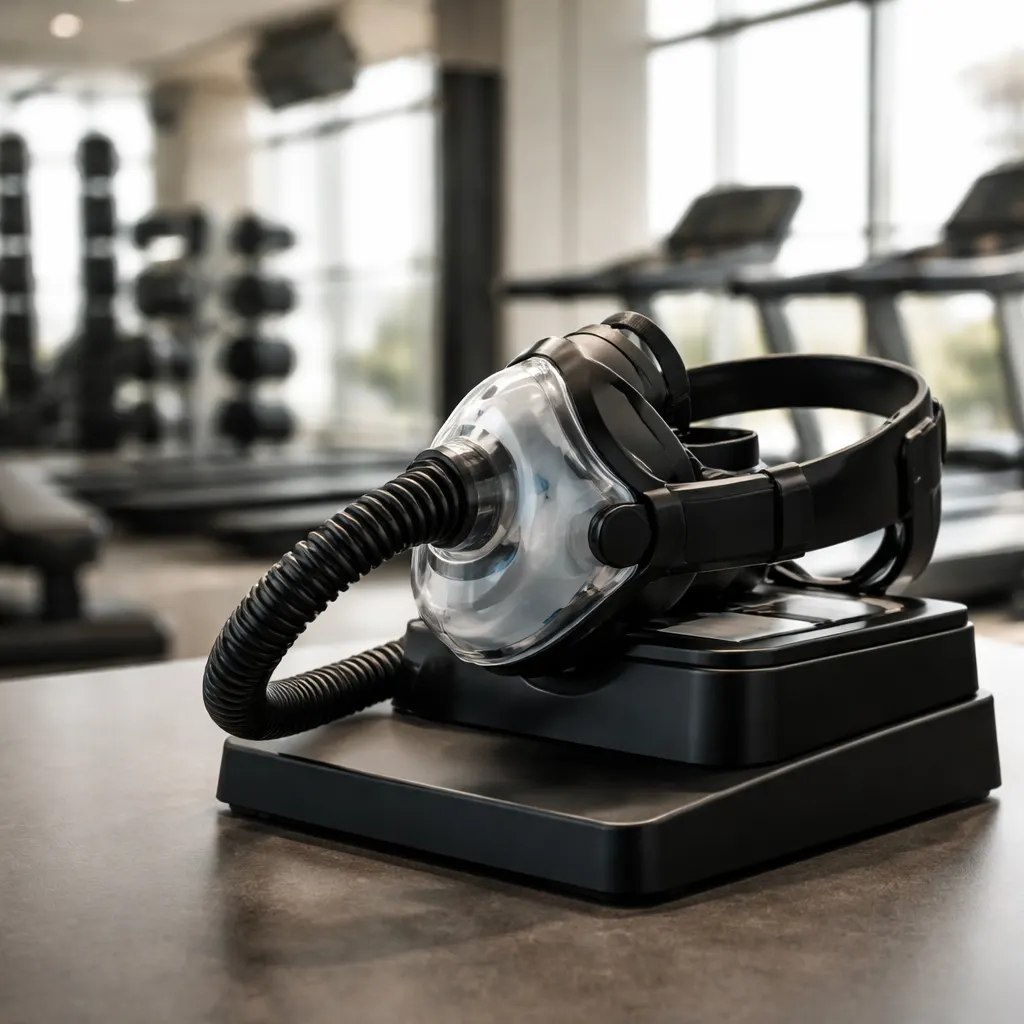
Massachusetts-based PNOĒ is set to release its second-generation metabolic testing device on October 1, a self-service mask that measures oxygen consumption and carbon dioxide output to generate personalized recommendations for diet, exercise, and longevity, according to TechCrunch. The PNOĒ 2.0 marks a shift from the company's current model, which requires a trained operator, to a version users can administer themselves by wearing the mask and breathing for eight minutes. The device captures 23 biomarkers, including VO₂ max, resting metabolic rate, and metabolic flexibility, translating lab-grade breath analysis into accessible wellness guidance.
The 10-year-old company, which has dual operations in Malden, Massachusetts, and Athens, Greece, has raised approximately $22 million in total funding, including an $11 million round that closed recently. Investors include 50 Years and Lars Rasmussen, co-founder of Google Maps. PNOĒ operates on a business-to-business model, selling subscriptions to gyms, hotels, and health systems that range from $400 monthly to over $1,000, which includes hardware, software, training, and marketing materials. The company says it turned profitable recently while maintaining annual growth exceeding 100%, with about 85% of revenue coming from the United States. It now employs 110 people and serves clients including Equinox—where the test is available at nearly all locations—Four Seasons hotels, Red Bull, the NBA, Mount Sinai Health System, and Restore Hyper Wellness.
Co-founder and CEO Apostolos Atsalakis told TechCrunch that a gym visitor can now "just wear the mask, push the button, sit down" for the eight-minute test. He described VO₂ max as the most powerful indicator of human longevity and positioned the company's measurements as answering questions blood tests can't address, such as calorie requirements and training protocols. Atsalakis noted that the self-service design underwent "a lot, a lot, a lot of iterations" with Milan-based Design Group Italia, since no one had created a self-administered metabolic testing device before. The new model features detachable electronics that separate from the silicone mask and straps, allowing multiple users to share the expensive hardware while each maintains their own mask.
The device isn't cleared by the FDA, and the company positions it as a wellness tool rather than a medical diagnostic, comparable to body composition scales that doctors can't use to prescribe medication. However, Atsalakis indicated the company's expanding data collection could eventually enable health issue detection, though he acknowledged full diagnostic capabilities remain "definitely a couple of years away" with regulatory approval likely extending that timeline further. The timing benefits PNOĒ as VO₂ max has gained traction among longevity enthusiasts, driven by research connecting higher cardiorespiratory fitness to reduced mortality rates. Many clients use the test during customer onboarding, positioning it between full clinical assessments and smartwatch estimates, though the company faces competition from Apple, Garmin, and Whoop's heart-rate-based VO₂ max estimates, consumer breath analyzers like Lumen, and traditional metabolic carts used in labs and hospitals.
PNOĒ, which went through Y Combinator's Winter 2019 cohort before longevity became a major industry, is expanding beyond its U.S. stronghold into Europe and, through partnerships, into Latin America and Asia. The company plans to pursue a Series B funding round within the next six to 12 months as it works to distribute its testing technology more broadly through fitness centers, pharmacies, and wellness facilities. The self-service capability removes the staffing barrier that limited the first-generation device, potentially opening distribution channels that couldn't support operator-dependent equipment. The shift from operator-required to self-service testing represents a bet that consumers will trust automated breath analysis enough to base training and nutrition decisions on it, while the detachable mask design addresses post-pandemic hygiene concerns that could otherwise deter shared-device adoption in public spaces.